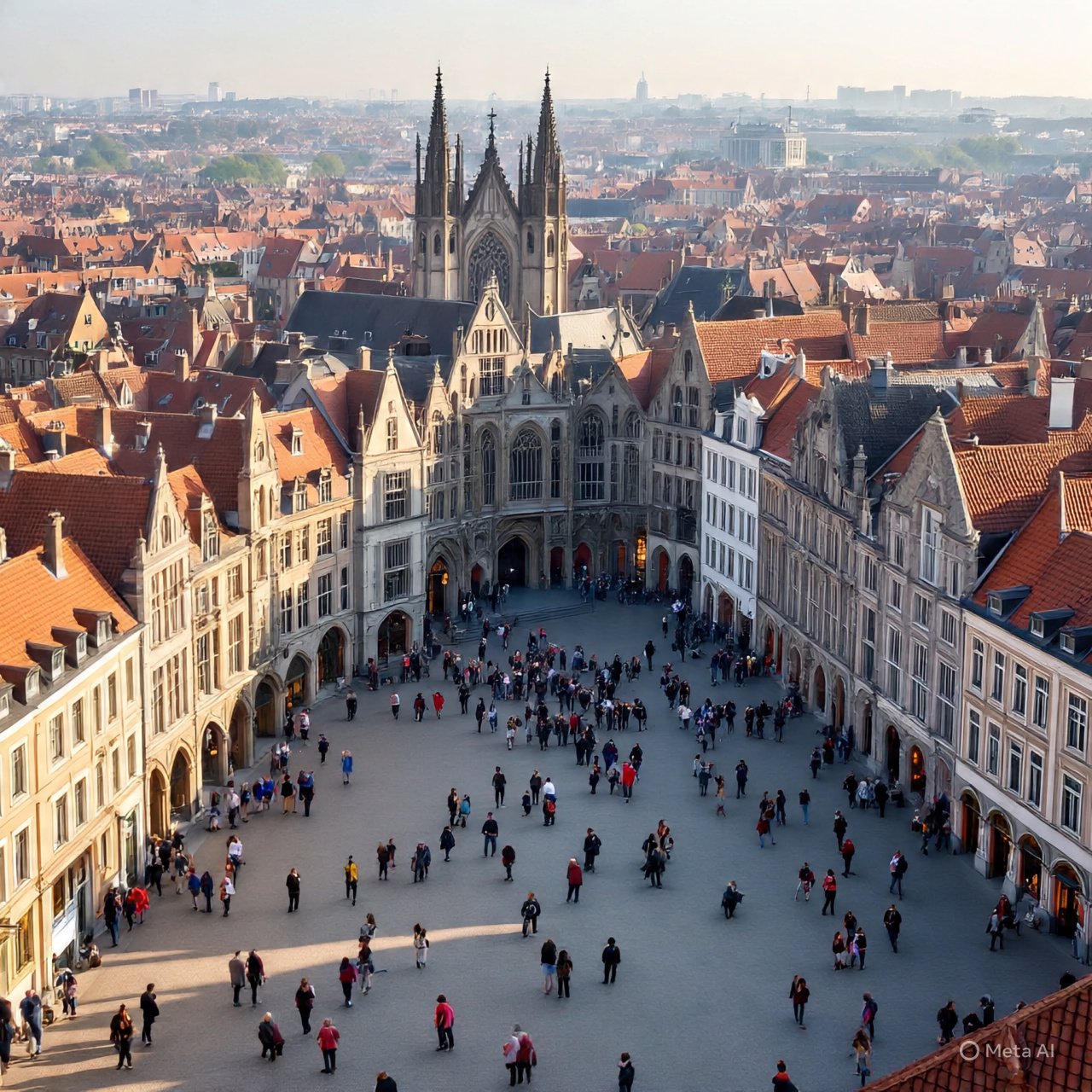
Maastricht is a city that feels both Dutch and European. Located in the southern province of Limburg it lies close to Belgium and Germany. This border location gives Maastricht a unique identity shaped by centuries of cultural exchange.
Visitors discover a city of cobblestone streets medieval churches and lively squares. Maastricht is famous for its Roman heritage its role in European politics and its vibrant cultural life. It is a place where history meets modernity where traditions blend with innovation and where every corner tells a story.
Historical Foundations
Maastricht’s origins date back to Roman times. The Romans built a bridge across the Meuse River and established a settlement here. The name Maastricht comes from “Mosae Trajectum” meaning crossing of the Meuse.
During the Middle Ages Maastricht grew into a prosperous city. It became a center of trade religion and culture. Churches such as St Servatius Basilica reflect its medieval importance.
In the seventeenth and eighteenth centuries Maastricht faced sieges and wars due to its strategic location. Yet it remained resilient. In the twentieth century Maastricht played a role in European integration. The Maastricht Treaty signed in 1992 created the European Union and the euro currency.
Architectural Marvels
Maastricht’s architecture reflects its long history. The Basilica of St Servatius is one of the oldest churches in the Netherlands. The Basilica of Our Lady with its Romanesque design adds to the city’s sacred heritage.
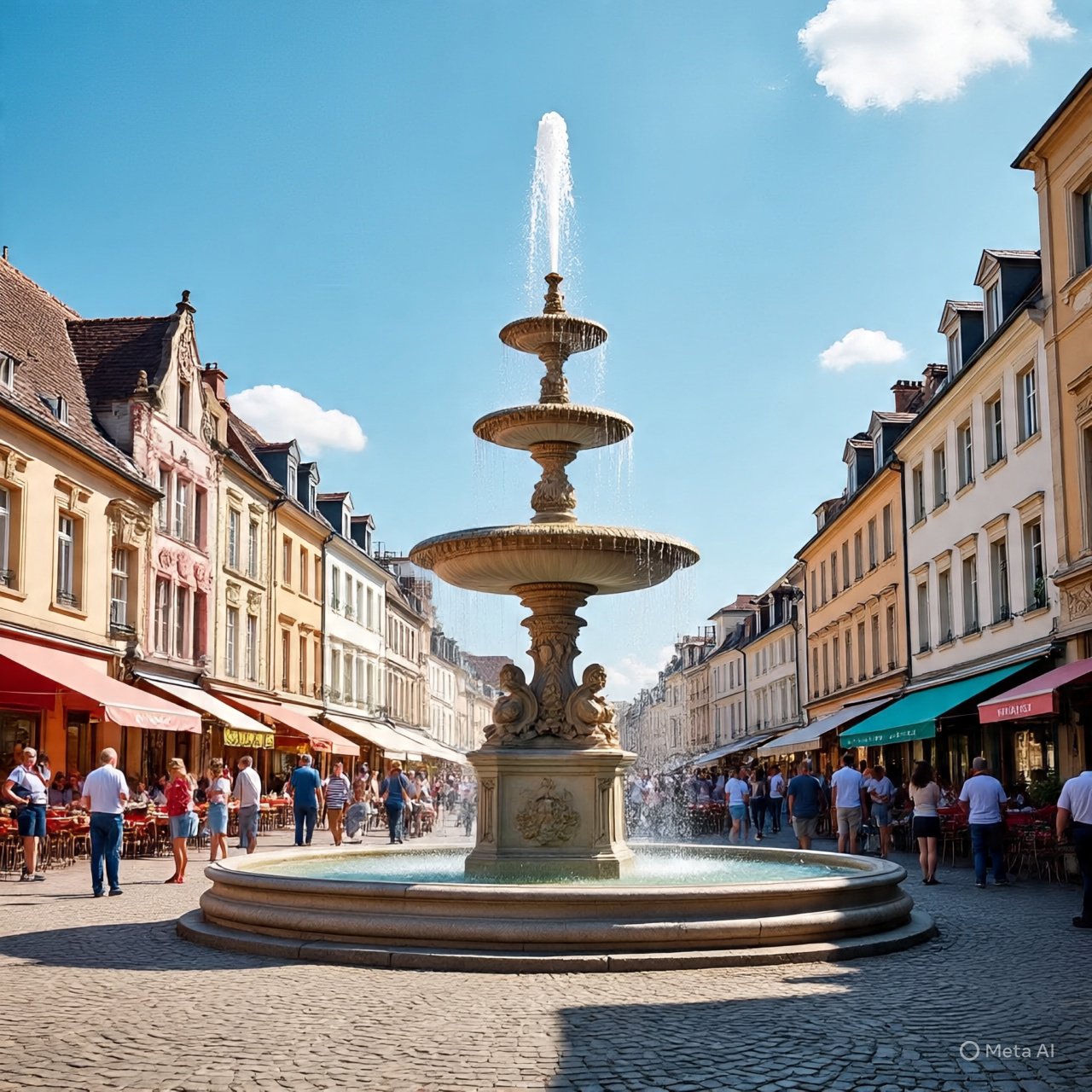
The Vrijthof Square is the heart of Maastricht. Surrounded by churches cafés and theaters it hosts festivals and events. Medieval walls and gates such as Helpoort remind visitors of the city’s defenses.
Modern architecture blends with historic structures. The Bonnefanten Museum designed by Aldo Rossi showcases contemporary art in a striking building.
Cultural Heritage
Maastricht is a city of culture and creativity. The Bonnefanten Museum houses art from medieval to modern times. The Natural History Museum explores science and heritage.
Festivals bring Maastricht to life. The TEFAF art fair is one of the world’s leading events for fine art and antiques. The Carnival fills the streets with costumes music and celebration.
Music thrives here. The city is home to André Rieu the world famous violinist who performs concerts in the Vrijthof Square.
Modern Maastricht
Today Maastricht is a lively city with universities cafés and international events. Maastricht University attracts students from across the world adding youthful energy.
Public spaces are filled with sculptures parks and riverside promenades. The city embraces sustainability with cycling routes and green initiatives.
Maastricht’s economy is strong with industries in education tourism and services. Its location makes it a hub of cross border cooperation.
Cuisine and Traditions
Food in Maastricht reflects regional traditions and European influences. Limburgse vlaai a fruit tart is a local specialty. Hearty stews sausages and cheeses are popular.
Restaurants offer both Dutch and international cuisine. Markets provide fresh produce and local delicacies.
Traditions include Carnival celebrated with parades music and costumes. Seasonal festivals connect visitors to the spirit of the city.
Day Trips and Surroundings
Maastricht’s location allows easy access to nearby attractions. Valkenburg offers caves castles and spa resorts. Aachen in Germany provides historic charm. Liège in Belgium offers culture and cuisine.
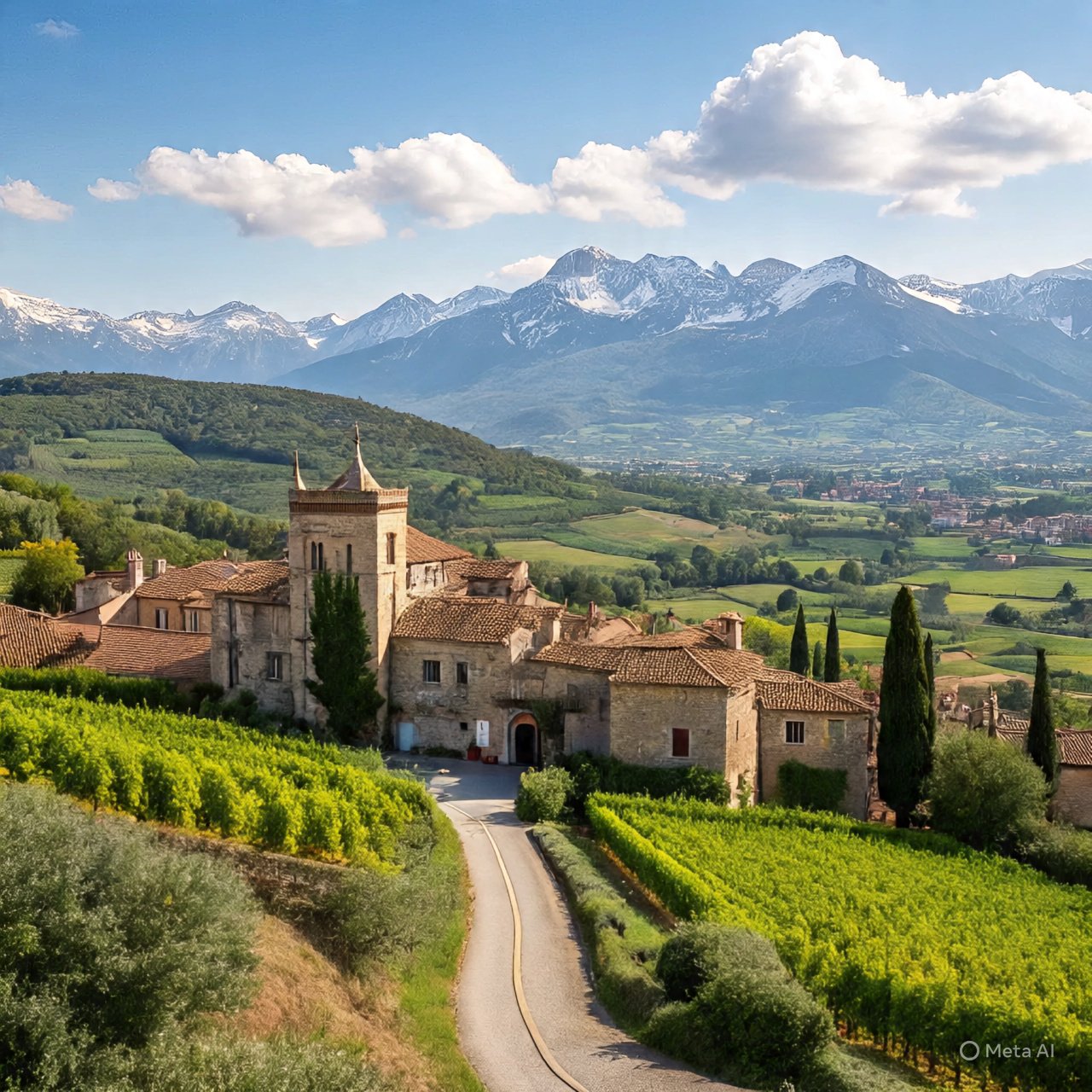
Nature lovers can explore the Limburg hills with cycling routes and scenic landscapes. Castles and villages enrich the region.
Travel Guide
The best time to visit Maastricht is spring or autumn. Festivals and outdoor events fill the city with energy. Summer offers concerts and lively squares. Winter provides Carnival and cozy experiences.
Transportation is easy with trains buses and cycling routes. Maastricht connects to Belgium Germany and other Dutch cities.
Accommodation ranges from boutique hotels to modern resorts. Travelers can choose based on preferences. Maastricht offers something for everyone.
Conclusion
Maastricht is more than a city. It is a place where history culture and European spirit meet. From Roman bridges to modern universities from medieval churches to lively festivals Maastricht embodies resilience and charm.
The Cultural Jewel of the South continues to inspire with its unique blend of past and future. Maastricht is not only a destination but also a gateway to Europe and an experience that stays in the heart.
💬 Comments
No comments yet.