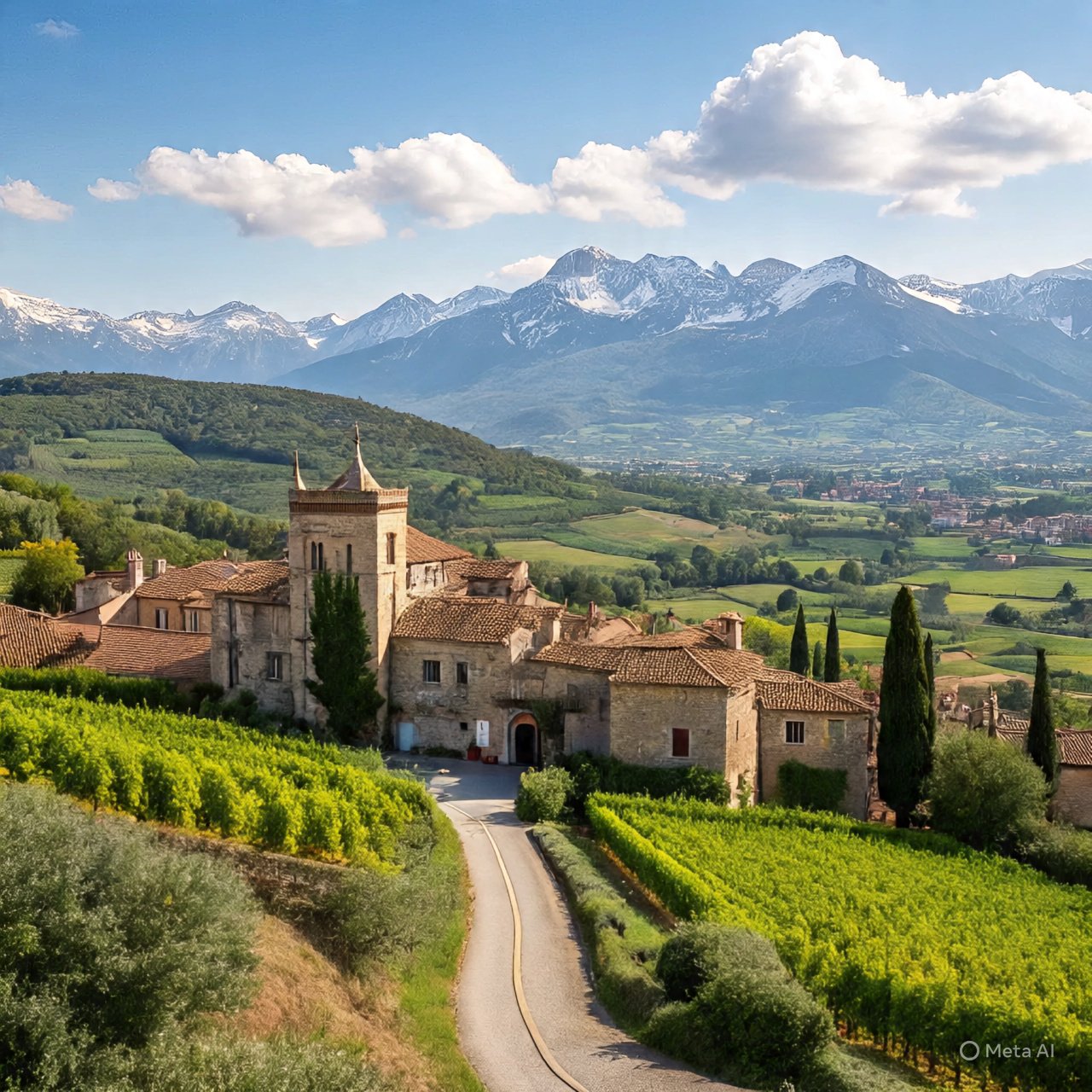
Languedoc, in southern France, is a place where history and culture run deep. Once home to Romans, medieval knights, and the Cathars, it has seen centuries of trade, conflict, and tradition. Its location near the Mediterranean and the Pyrenees made it a crossroads of civilizations. Cities like Nîmes, Montpellier, and Carcassonne still carry the marks of that past, with Roman amphitheaters, medieval walls, and aqueducts that stand as reminders of its heritage. The famous Cathar castles, perched high on hills, tell tales of battles and faith from the Middle Ages.
Places You’ll Want to See
Carcassonne a UNESCO site with medieval ramparts, towers, and a castle that feels like stepping back in time.
Nîmes often called “French Rome,” with its arena, temples, and the Maison Carrée.
Pont du Gard a stunning Roman aqueduct that shows off ancient engineering.
Montpellier a lively city with a mix of Gothic and Renaissance architecture.
Cathar Castles ruins like Peyrepertuse and Quéribus, offering hikes and sweeping views.
Wine and Food
Languedoc is one of France’s biggest wine regions, producing reds, whites, and rosés. Vineyards cover the hills, with grapes like Syrah, Grenache, and Carignan shaping its flavors. Wine tours and tastings are a highlight for visitors.
Food here is hearty and full of Mediterranean influence. Try:
Cassoulet a rich bean and meat stew.
Brandade de Morue creamy salt cod with olive oil and garlic.
Fresh seafood along the coast.
Local cheeses and charcuterie, including the famous Roquefort.
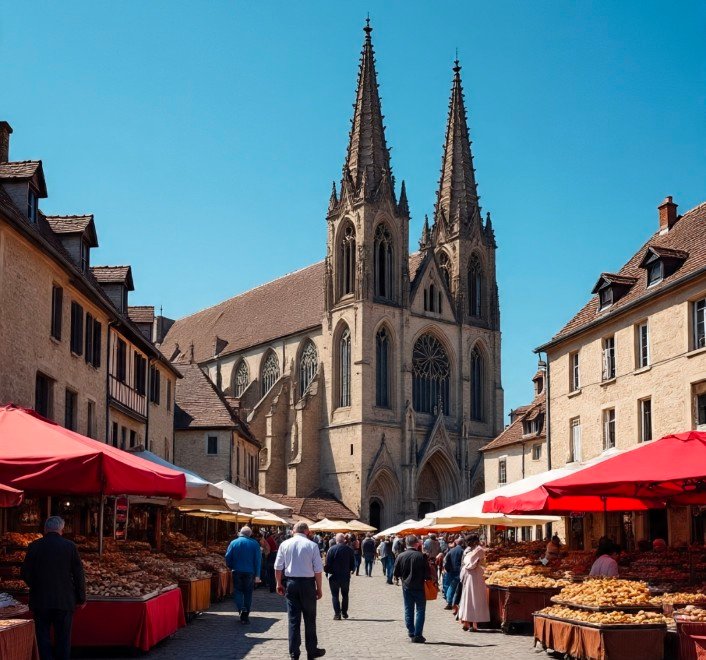
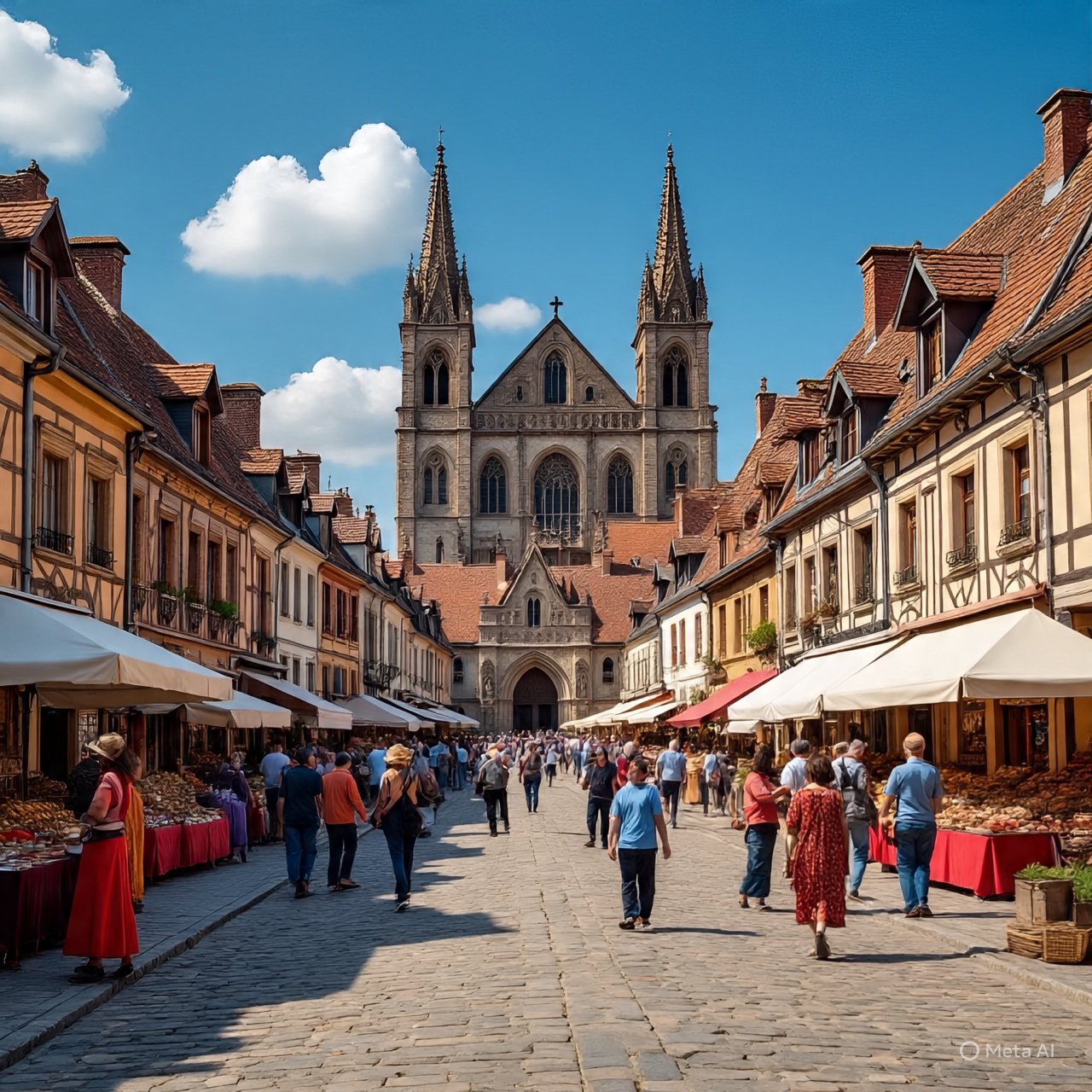
Markets and festivals are perfect for sampling olives, pastries, and local specialties while soaking up the atmosphere.
Nature and Landscapes
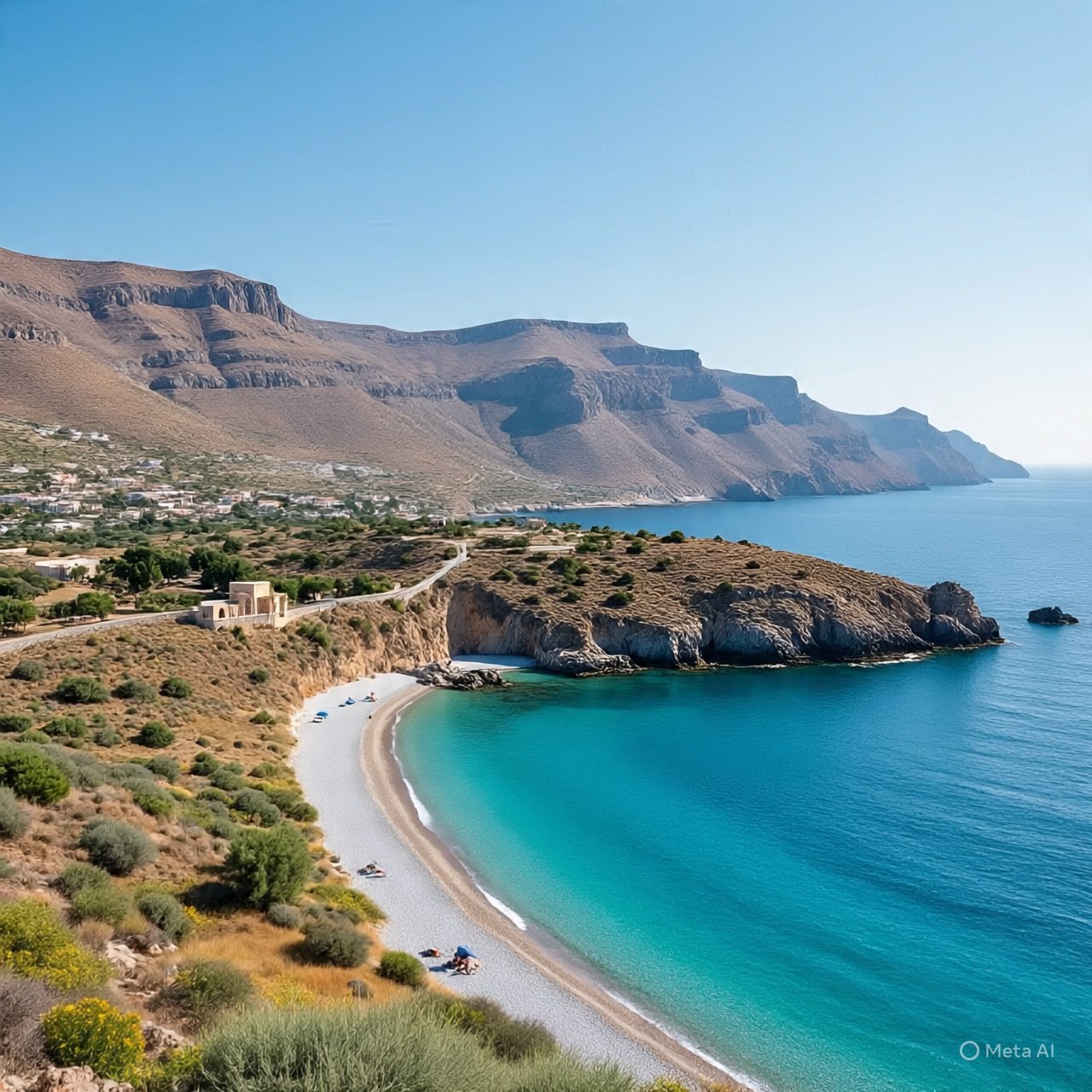
The region’s scenery is as diverse as its history. You’ll find Mediterranean beaches, rugged mountains, rolling vineyards, and limestone plateaus. Coastal towns like Narbonne-Plage are great for sun and sea, while inland areas like the Cevennes National Park offer trails, rivers, and wildlife. Lavender fields in summer and colorful vineyards in autumn make it a photographer’s dream.
Getting Around
Languedoc is easy to reach by train, car, or regional airports. Major stations in Montpellier, Nîmes, and Béziers connect to Paris and other cities. Road trips are the best way to explore, giving you access to vineyards, castles, and seaside towns.
Spring and autumn are the best times to visit mild weather, fewer crowds, and plenty of festivals. Summer is lively and perfect for the coast, but expect busier beaches and towns.
Festivals and Local Life
The region loves to celebrate. Highlights include:
Fêtes de la Saint-Louis in Aigues-Mortes, with medieval parades and jousting.
Wine festivals across towns like Pézenas and Minervois.
Music events jazz, classical, and folk concerts in Montpellier and beyond.
Medieval reenactments with costumes, performances, and markets.
Things to Do
Tour vineyards and taste local wines.
Explore castles, Roman ruins, and medieval towns.
Hike or cycle through national parks.
Relax on Mediterranean beaches.
Visit local markets and join cooking workshops.
The Spirit of Languedoc
Languedoc is a region that blends history, wine, food, and nature into one unforgettable experience. From Roman monuments and medieval castles to vineyards and seaside towns, it offers something for every traveler. Whether you’re here for culture, adventure, or relaxation, Languedoc captures the essence of southern France and leaves you with lasting memories.

💬 Comments
No comments yet.