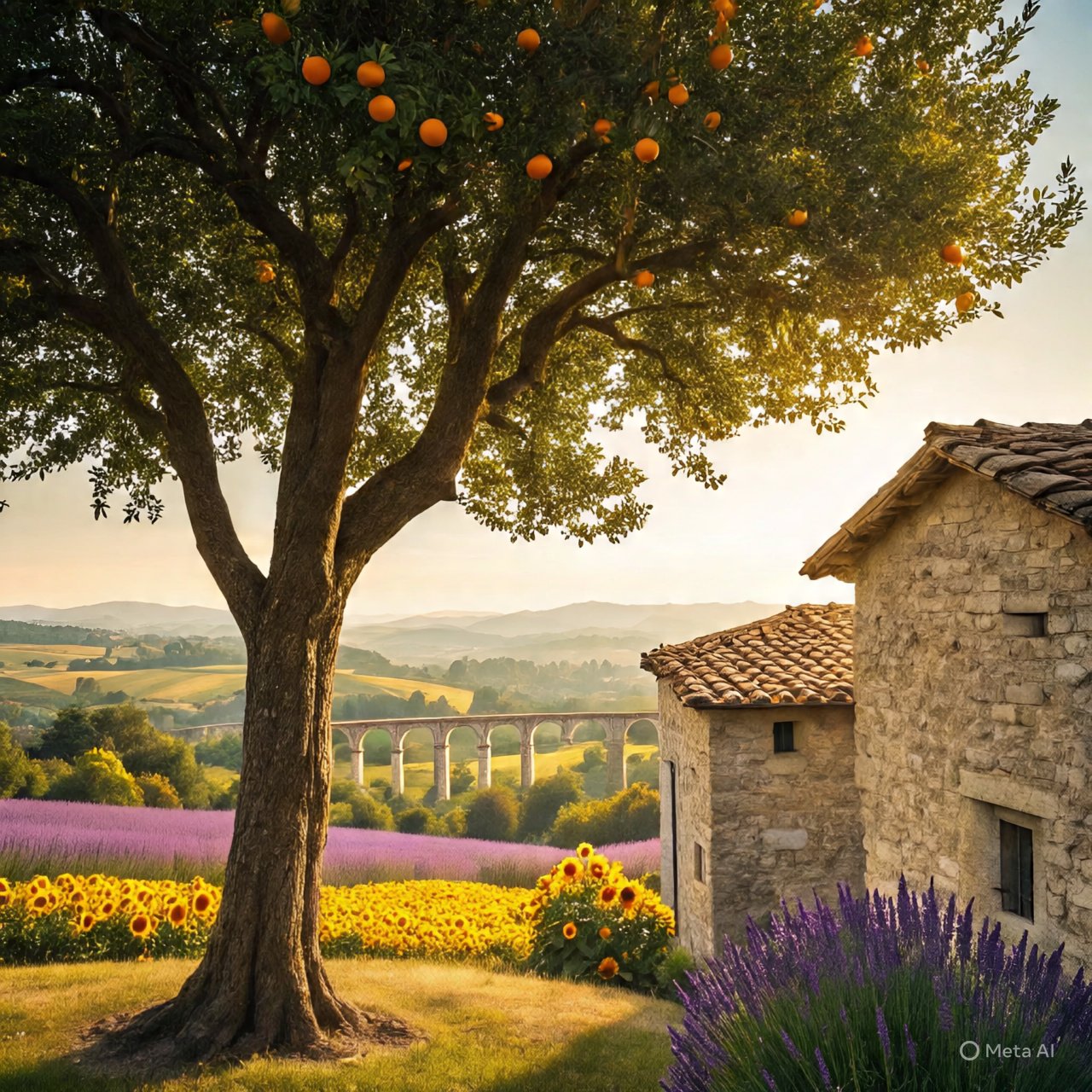
Stepping Into Orange
In southern France’s Vaucluse department, Orange is a city where history and culture meet under the Provençal sun. Founded in Roman times, it grew into a vital administrative and cultural hub. Today, Orange is celebrated for its ancient monuments, vibrant festivals, and picturesque landscapes — a destination where travelers can experience both the grandeur of Rome and the charm of Provence.
Between Rhône Plains and Vineyards
Orange sits on fertile land near the Rhône River, surrounded by vineyards and agricultural fields. Its proximity to the Vaucluse mountains and the rolling Provençal countryside makes it a scenic base for outdoor adventures. With hot summers, mild winters, and abundant sunshine, the Mediterranean climate supports wine production, agriculture, and year‑round tourism.
Echoes of Empire
Rome’s Provincial Jewel Orange was part of Gallia Narbonensis during the Roman Empire, rising as a provincial capital thanks to its strategic location. Its landmarks still tell the story:
Ancient Theatre of Orange: Built in the 1st century AD, seating 9,000 spectators, and still alive today with opera festivals.
Triumphal Arch of Orange: A monument to Augustus’ veterans, carved with intricate reliefs of Roman victories.
Forum and Remains: Public spaces that once hosted commerce, governance, and social life.
Medieval and Renaissance Chapters After Rome’s fall, Orange became a principality under the House of Orange, shaping both French and European history. Medieval streets, churches, and fortifications added layers of architectural richness that remain today.
Monuments That Speak
The Ancient Theatre: A UNESCO World Heritage site, famed for its acoustics and preserved stage wall, now hosting concerts and opera.
The Triumphal Arch: One of France’s best‑preserved Roman monuments, adorned with reliefs of military triumphs.
Medieval Streets and Squares: Cobblestone lanes, Provençal houses, boutiques, and cafés that capture centuries of local life.
Churches of Orange: From the Romanesque Saint‑Eutrope to the Gothic‑Baroque Notre‑Dame‑de‑Nazareth, each reflects a different era of faith and artistry.
A City Alive With Culture
Orange is not just about monuments . it’s about living culture:
Chorégies d’Orange: Europe’s oldest opera festival, staged in the Ancient Theatre, blending classical music with Roman grandeur.
Museums and Galleries: The Musée d’Art et d’Histoire showcases Roman artifacts and local heritage, while art studios highlight Provençal craftsmanship and contemporary creativity.
Wine, Food, and Provençal Flavors
Orange lies in the heart of the Côtes du Rhône wine region, producing celebrated reds, whites, and rosés. Visitors can tour vineyards, taste vintages, and learn the traditions of winemaking. The cuisine is equally rich:
Ratatouille: A Provençal vegetable stew.
Daube Provençale: A slow‑cooked beef dish with herbs and wine.
Local cheeses, olives, and pastries fill markets and food festivals, making Orange a feast for culinary explorers.
Adventures Beyond the City
Orange is a gateway to Provence’s treasures:
Avignon: With its Palais des Papes and medieval bridge.
Pont du Gard: A Roman aqueduct and UNESCO site.
Châteauneuf‑du‑Pape: A village famous for its wines. The Mediterranean coast is also within reach, offering beaches and water sports for day trips.
Orange Today
Modern Orange blends its Roman legacy with contemporary life. Boutique shops, cafés, cultural centers, and festivals create a lively atmosphere, while agriculture and tourism sustain the local economy. It’s a city where ancient stones coexist with modern comforts, offering both residents and visitors a vibrant Provençal lifestyle.
Why Orange Captivates
Orange is more than a historic city — it’s a living stage where Roman grandeur, medieval charm, and Provençal culture converge. From the Ancient Theatre and Triumphal Arch to its wine, cuisine, and festivals, Orange offers travelers an unforgettable journey into the heart of southern France.



💬 Comments
No comments yet.