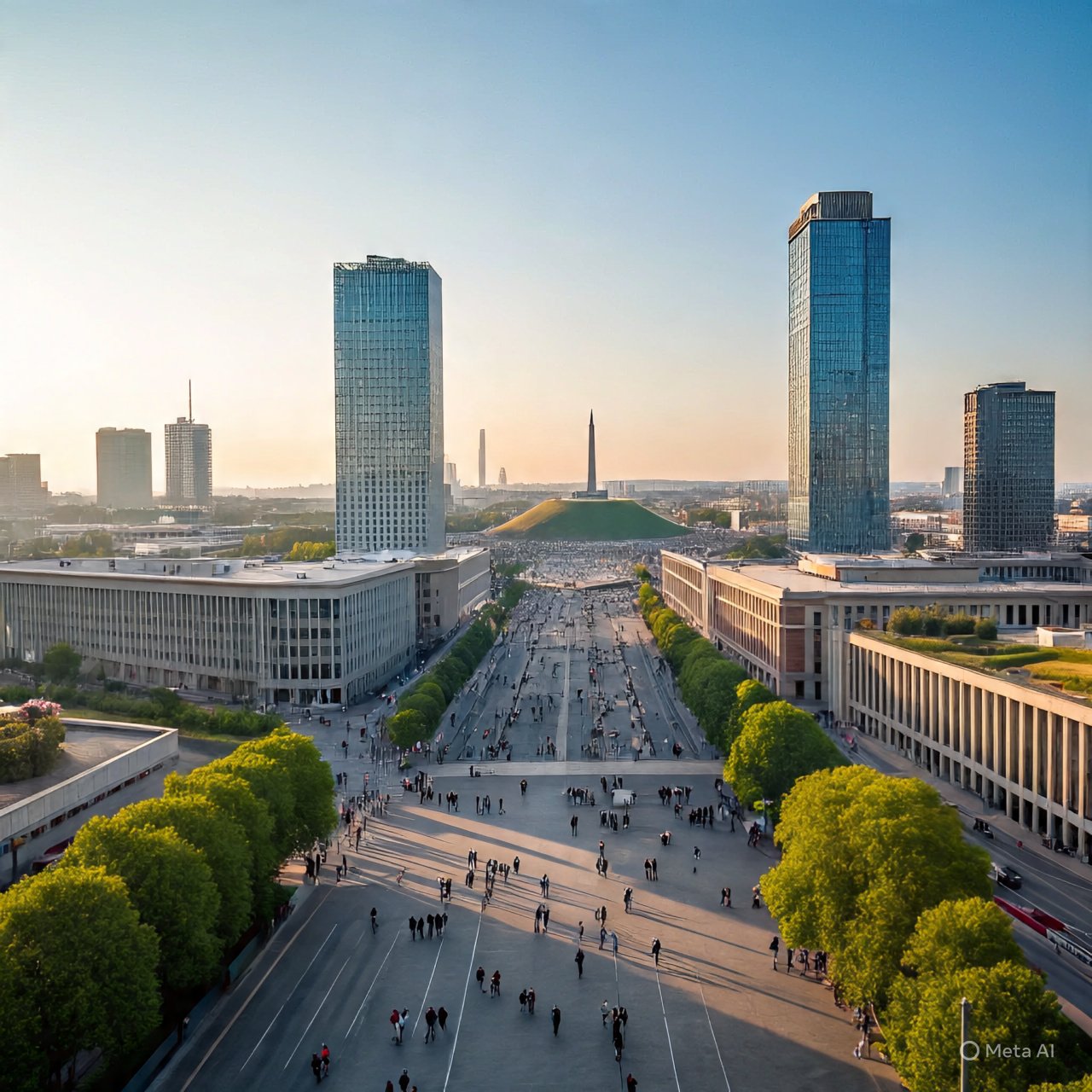
Warsaw stands as a city that rose from ashes and rebuilt itself into a thriving capital. Located on the banks of the Vistula River it is a place where history and modern life meet in powerful harmony. The city was almost completely destroyed during the Second World War yet it emerged stronger than ever. Today Warsaw is a symbol of resilience and progress.
Visitors are drawn to its reconstructed Old Town its towering skyscrapers and its lively cultural scene. Warsaw is not only the political heart of Poland but also a hub of art music and innovation. Every street tells a story of survival and renewal making the city a living testament to human determination.
Historical Foundations
Warsaw began as a small settlement in the Middle Ages and grew into a royal city by the seventeenth century. It became the capital of Poland in 1596 when King Sigismund III moved the royal court from Kraków. Over the centuries Warsaw developed into a center of politics trade and culture.
The city faced immense challenges during the partitions of Poland and later during the Second World War. The Warsaw Uprising of 1944 remains one of the most heroic yet tragic events in Polish history. After the war the city was rebuilt brick by brick with extraordinary dedication. This reconstruction gave Warsaw the title of Phoenix City.
Architectural Marvels
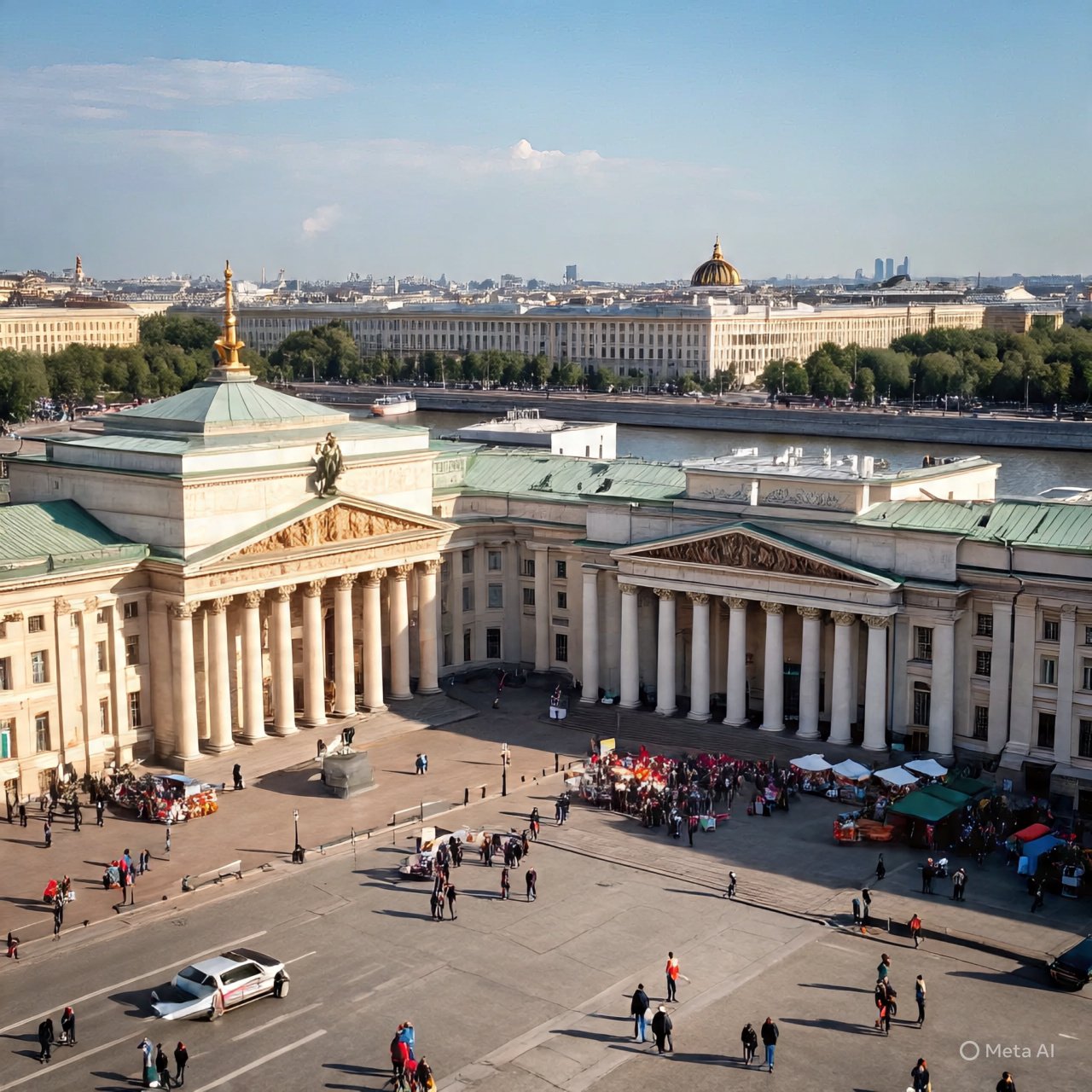
The Old Town of Warsaw is a UNESCO World Heritage Site. It was rebuilt with remarkable accuracy after the war and today it stands as a symbol of national pride. The Royal Castle is another highlight offering insight into Poland’s royal past.
Modern architecture also defines Warsaw. The Palace of Culture and Science towers over the city as a gift from the Soviet era. Today it houses theaters museums and offices. Skyscrapers in the business district reflect Warsaw’s role as a modern European capital.
Cultural Heritage
Warsaw is a city of music literature and art. The legacy of composer Fryderyk Chopin is celebrated with concerts and festivals throughout the year. Museums such as the POLIN Museum of the History of Polish Jews and the Warsaw Rising Museum preserve vital chapters of history.
The city hosts numerous cultural events including film festivals theater performances and art exhibitions. Its vibrant cultural life makes Warsaw a dynamic place where tradition and innovation coexist.
Modern Warsaw
Today Warsaw is a bustling metropolis with a diverse population and a thriving economy. It is home to universities research centers and international companies. The city offers a lively nightlife with clubs bars and restaurants that cater to every taste.
Public spaces are filled with parks and green areas providing balance to urban life. Warsaw continues to grow as a center of technology and business while maintaining its cultural soul.
Cuisine and Traditions
Food in Warsaw reflects both tradition and modern creativity. Pierogi bigos and żurek are popular dishes that connect visitors to Polish heritage. Street food and international cuisine also flourish making Warsaw a culinary destination.
Traditional crafts and folk art are celebrated in markets and festivals. Visitors can experience Polish dances music and seasonal celebrations that highlight the city’s cultural richness.
Day Trips and Surroundings
Warsaw’s location allows easy access to nearby attractions. Wilanów Palace offers a glimpse into royal life with stunning gardens and architecture. Kampinos National Park provides natural beauty with forests and wildlife close to the city.
Other excursions include visits to historic towns and cultural landmarks across the Masovian region. These trips enrich the Warsaw experience by connecting urban life with history and nature.
Travel Guide
The best time to visit Warsaw is spring or autumn when the weather is pleasant and the city hosts festivals. Transportation is efficient with buses trams and metro lines connecting all parts of the city.
Travelers can plan short or long stays depending on their interests. A three day trip covers highlights while a week allows deeper exploration. Warsaw offers options for budget travelers and luxury seekers alike.
Conclusion
Warsaw is a city that embodies resilience and renewal. It rose from destruction to become a thriving capital filled with culture history and modern energy. Visitors discover a place where every building and every street reflects determination and hope.
The Phoenix City of Poland continues to inspire with its balance of past and future. Warsaw is not only the capital of Poland but also a symbol of strength and creativity that shines across Europe.
💬 Comments
No comments yet.