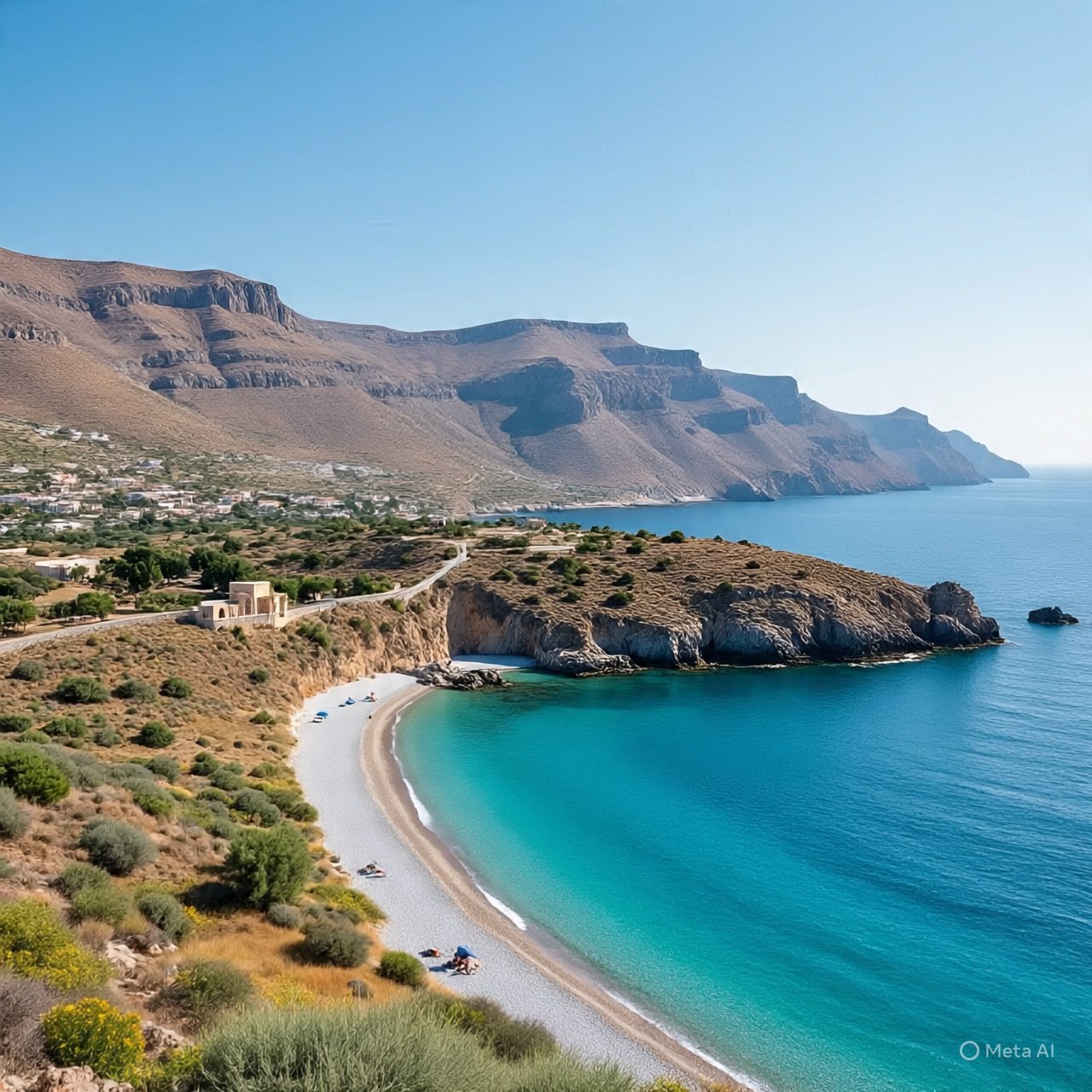
Crete: Greece’s Island of Heritage and Adventure
Introduction
Crete is a land that feels vast and diverse. It is the largest island in Greece and a place where history and nature meet. Ancient ruins stand beside lively villages. Mountains rise above valleys and beaches stretch along the coast. Crete is proud of its traditions yet full of modern life.
History and Heritage
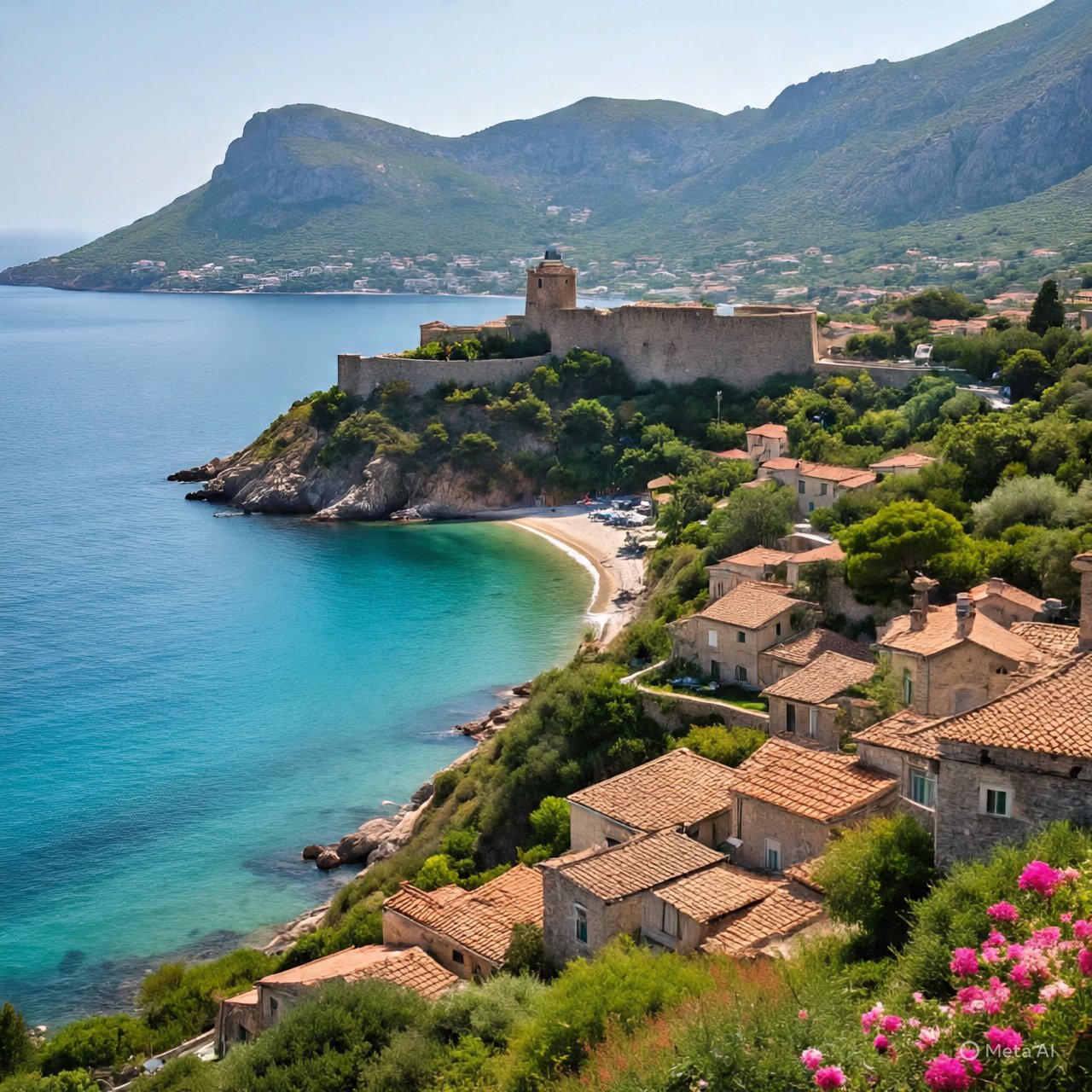
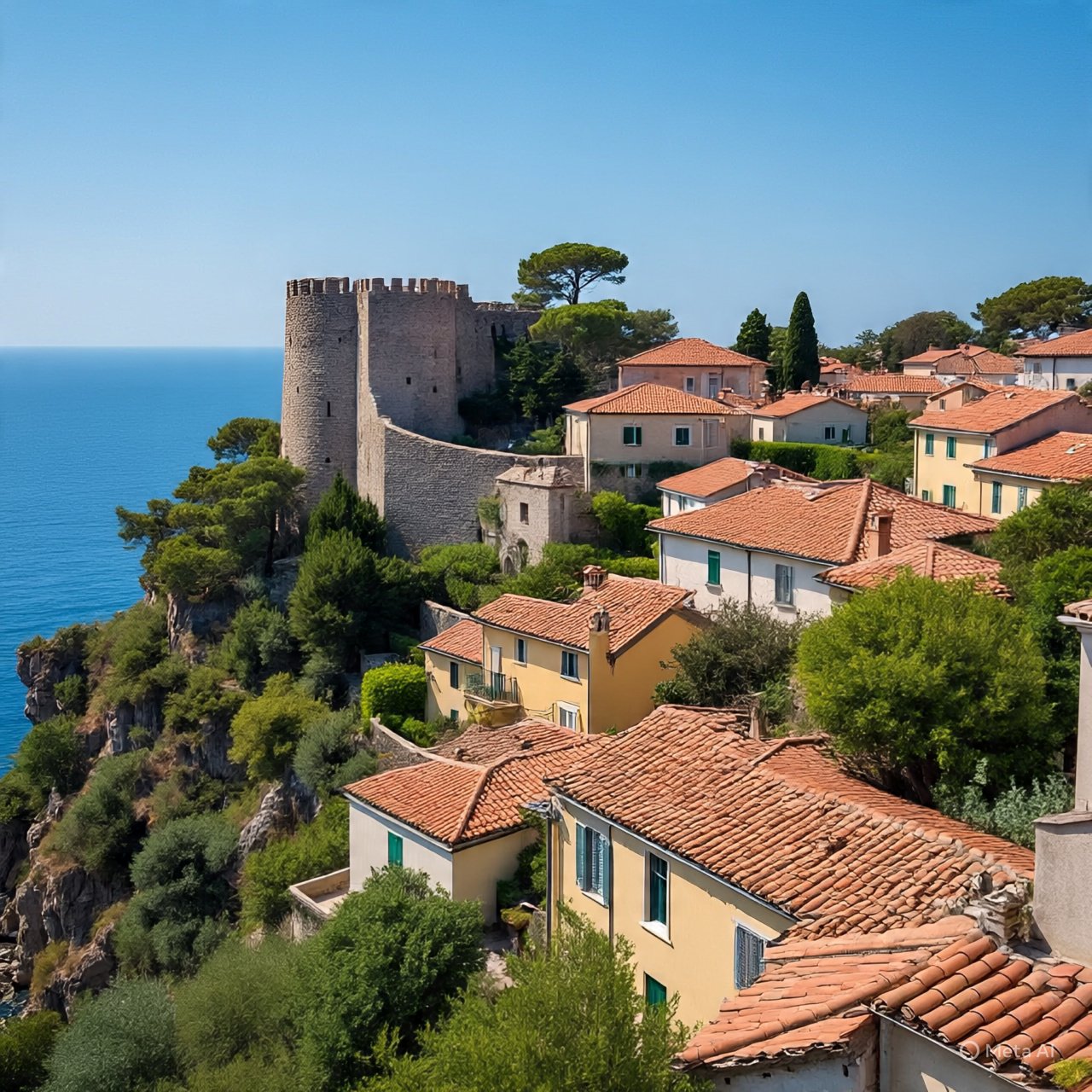
Crete has a long past. It was home to the Minoan civilization one of the earliest in Europe. The Palace of Knossos shows this ancient heritage. Venetian fortresses and Ottoman monuments reflect later history. Wars and rebuilding shaped its resilience. Heritage here is visible across the island.
Iconic Landmarks
Crete is full of landmarks. Knossos Palace is the most famous site. The Samaria Gorge offers dramatic landscapes. Heraklion Archaeological Museum preserves treasures of the Minoans. Rethymno Old Town shows Venetian charm. Each landmark reflects history and beauty.
Neighborhoods and Local Life
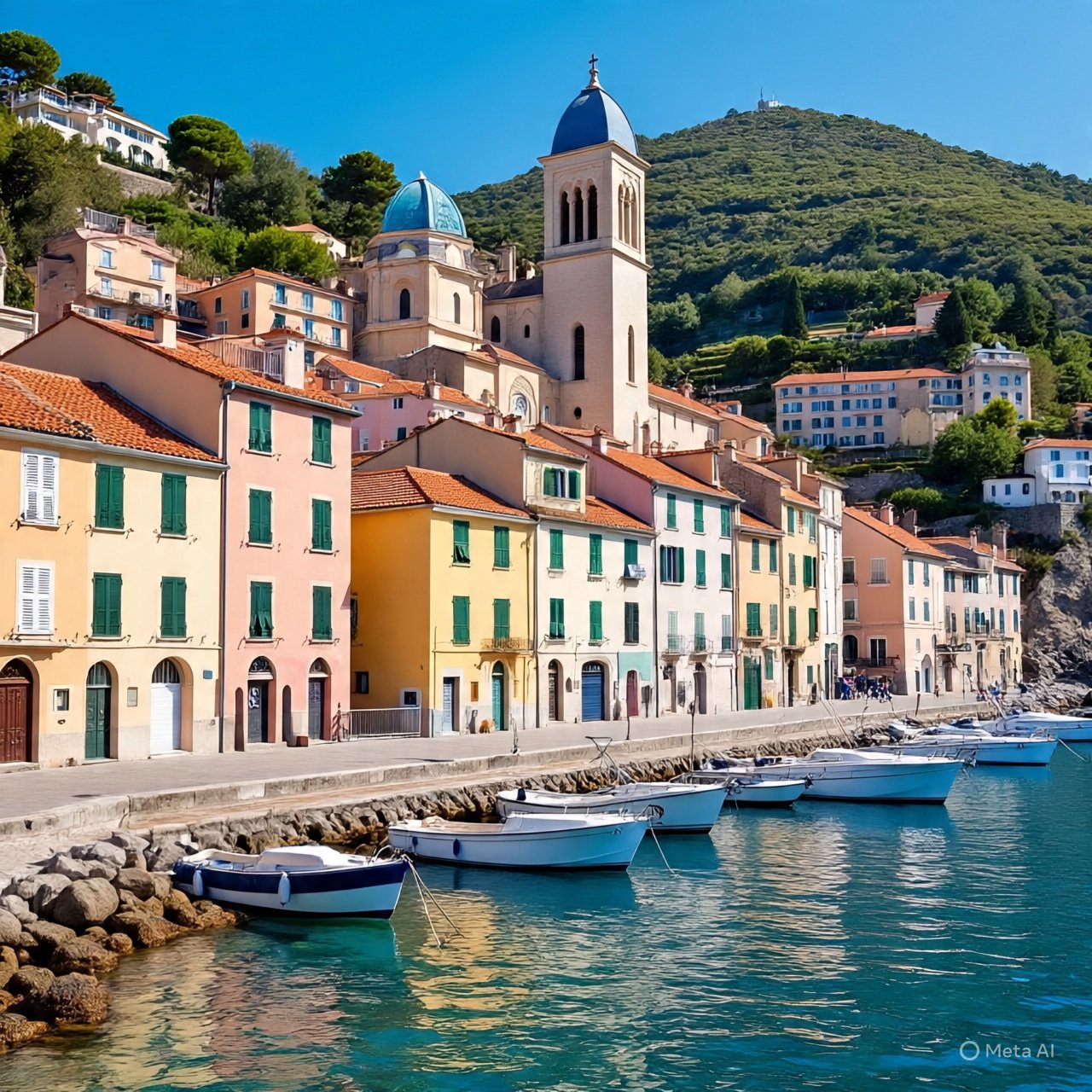
Crete is made of towns and villages with unique character. Heraklion is lively with shops and museums. Chania is elegant with a Venetian harbor. Rethymno blends history with modern cafés. Small mountain villages show daily island life. Each area has its own rhythm. Exploring them reveals the spirit of Crete.
Art and Culture
Crete is rich in culture. Museums display ancient artifacts. Local festivals celebrate music and dance. Crafts include pottery weaving and leatherwork. Traditional music with lyra instruments fills taverns. Culture here is vibrant and proud.
Food and Drink
Food in Crete reflects island life. Olive oil is central to cuisine. Dakos bread with tomatoes and cheese is a local specialty. Fresh seafood comes from the Mediterranean. Local wine and raki are popular. Eating in Crete is joyful and communal.
Nightlife
Crete has lively nightlife in its towns. Heraklion and Chania offer bars and clubs. Beach resorts host evening events. Local taverns welcome visitors with music. Nights here are bold and welcoming.
Nature and Green Spaces
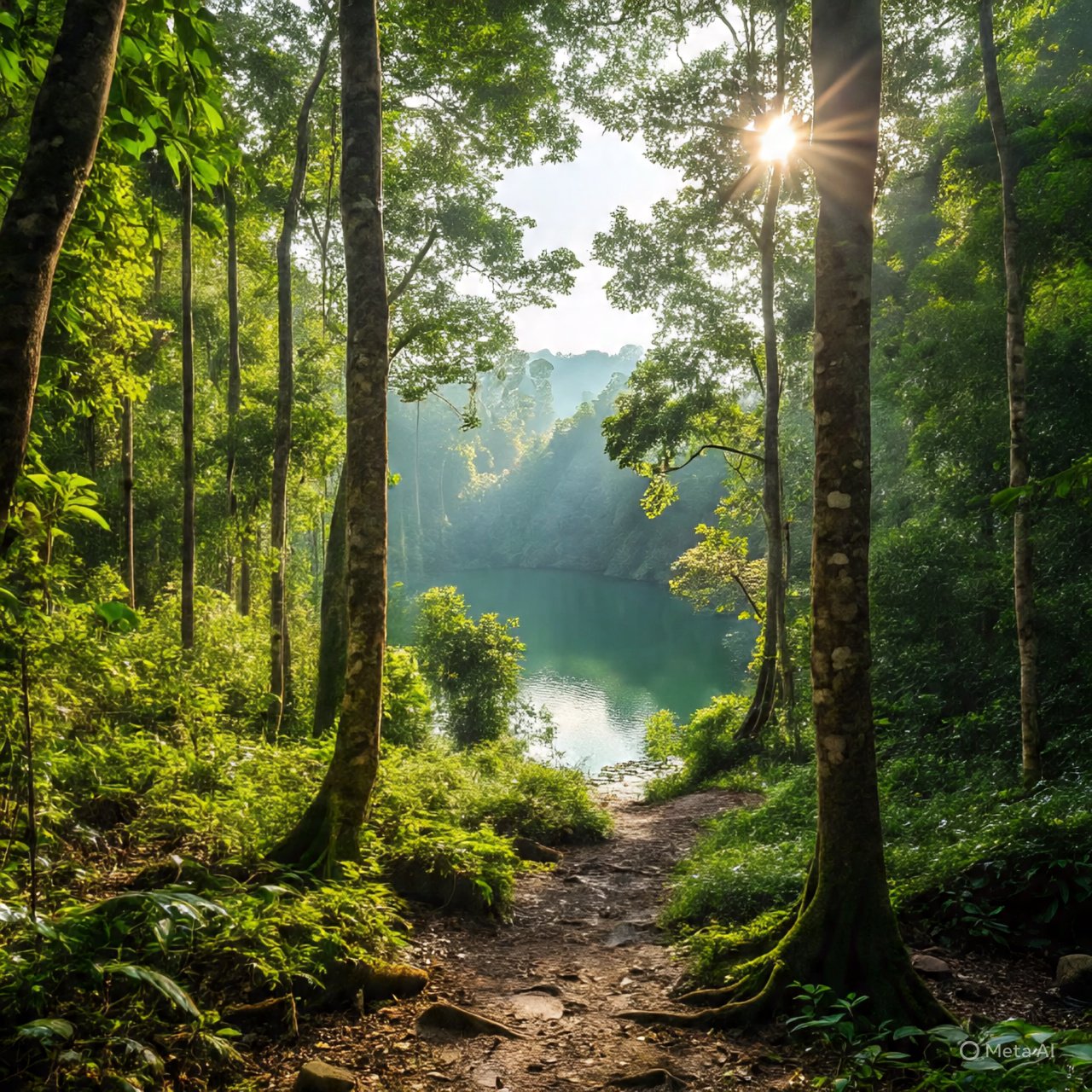
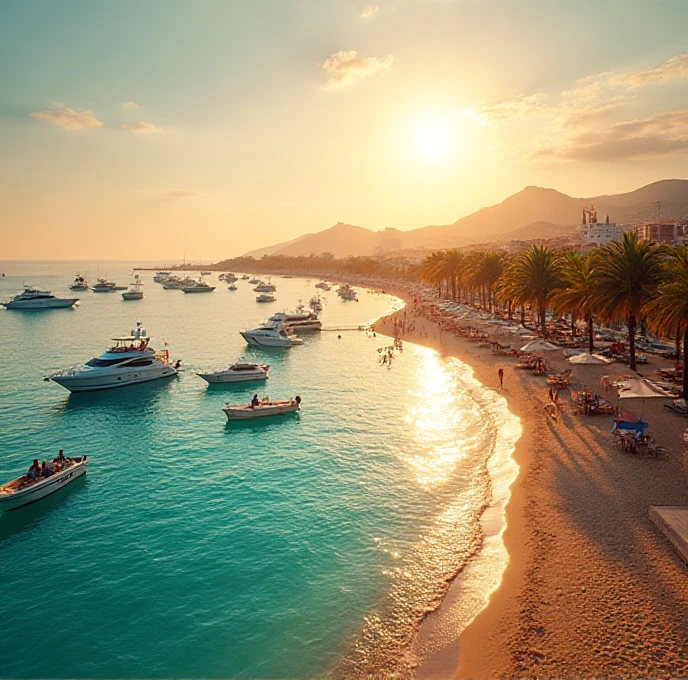
Nature defines Crete. Mountains rise across the island. Gorges invite hiking and exploration. Beaches stretch along the coast with golden sand. Wildlife thrives in forests and valleys. Nature is close and easy to enjoy.
Seasonal Travel Tips
Crete changes with the seasons. Spring brings blossoms and mild weather. Summer is lively with festivals and beaches. Autumn is warm with harvest celebrations. Winter is quiet yet peaceful. Each season has its charm.
Hidden Gems
Crete hides treasures beyond the famous sites. Small chapels stand in quiet hills. Local workshops sell handmade crafts. Secret beaches invite calm. Exploring these gems adds depth to the journey.
Practical Travel Information
Crete is easy to reach by plane and ferry. Local buses connect towns and villages. Accommodation ranges from hotels to guesthouses. English is spoken in tourist areas. Safety is good and locals are welcoming.
Conclusion
Crete is an island of wonder. It blends nature with tradition. Towns feel lively. Villages feel timeless. Food and culture reflect heritage. Visiting Crete is not just about sights. It is about feeling peace and adventure. The island leaves a lasting memory of beauty and spirit.

💬 Comments
No comments yet.