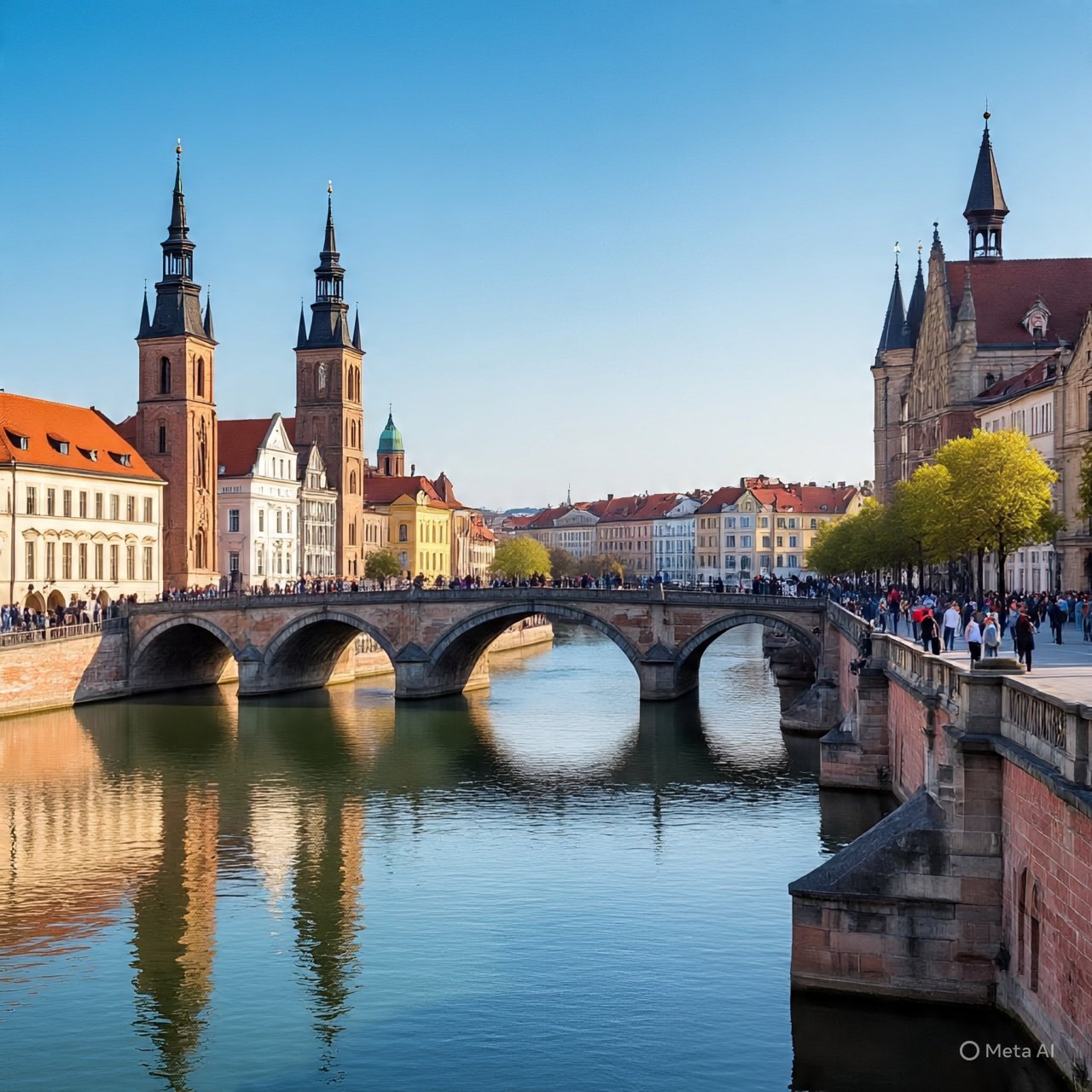
Wroclaw is a city that surprises every visitor with its charm and diversity. Located on the Oder River it is often called the City of Bridges because of its unique layout of islands and waterways. With more than one hundred bridges connecting different parts of the city Wroclaw offers a landscape unlike any other in Poland.
The city has a long and complex history shaped by Polish German and Czech influences. It has endured wars and political changes yet it has always emerged stronger and more vibrant. Today Wroclaw is celebrated for its colorful market square its Gothic and Baroque architecture and its lively cultural life. It is a place where history meets creativity and where every corner tells a story.
Historical Foundations
Wroclaw’s origins date back to the tenth century when it became an important settlement in the Piast dynasty. Over the centuries it grew into a thriving medieval city with strong trade connections. Its location on the Oder River made it a hub of commerce and culture.
The city’s history reflects its shifting borders. At different times Wroclaw was under Polish Bohemian Austrian Prussian and German rule. Each era left its mark on the city’s architecture and traditions. After the Second World War Wroclaw returned to Poland and began a remarkable process of rebuilding and renewal.
Architectural Marvels
The Market Square is the heart of Wroclaw filled with colorful townhouses and the Gothic Old Town Hall. The Cathedral of St John the Baptist stands proudly on Ostrów Tumski the oldest part of the city. These landmarks showcase the city’s rich architectural heritage.
Wroclaw is also famous for its bridges and islands. The Grunwald Bridge and Tumski Bridge are among the most iconic. Modern architecture blends with historic structures creating a cityscape that is both dynamic and harmonious.
Cultural Heritage
Wroclaw is a city of art music and literature. It hosts international festivals such as Wratislavia Cantans and the New Horizons Film Festival. The National Museum and Panorama of the Battle of Raclawice preserve important works of art and history.
The city’s cultural life is enriched by its universities and theaters. Wroclaw was named European Capital of Culture in 2016 highlighting its role as a center of creativity and innovation.
Modern Wrocław
Today Wroclaw is a thriving metropolis with a strong economy and a youthful spirit. Its universities attract students from across Poland and abroad. Cafés restaurants and clubs create a lively atmosphere that reflects the city’s modern identity.
Public spaces are filled with sculptures and street art including the famous Wroclaw dwarfs that add humor and charm to the city. Wroclaw continues to grow as a center of technology business and tourism.
Cuisine and Traditions
Food in Wroclaw reflects both Silesian traditions and modern influences. Pierogi kielbasa and hearty soups are popular dishes. Local bakeries and breweries add to the culinary experience.
Festivals celebrate folk music dances and crafts. Visitors can enjoy seasonal markets that showcase regional products and traditions. Wroclaw’s cuisine and culture create a warm and welcoming atmosphere.
Day Trips and Surroundings
The region around Wroclaw offers many attractions. Ksiaz Castle is one of the largest in Poland and provides insight into medieval life. The Owl Mountains and Sudetes offer natural beauty and hiking opportunities.
Other excursions include visits to historic towns and cultural landmarks across Lower Silesia. These trips enrich the Wroclaw experience by connecting urban life with history and nature.
Travel Guide
The best time to visit Wroclaw is spring or summer when the city hosts festivals and outdoor events. Transportation is convenient with trams buses and trains connecting all parts of the city.
Travelers can plan short or long stays depending on their interests. A three day trip covers highlights while a week allows deeper exploration of the city and its surroundings. Wroclaw offers options for budget travelers and luxury seekers alike.
Conclusion
Wroclaw is a city that embodies resilience creativity and charm. From its medieval foundations to its modern revival it has always been a place of significance. Visitors discover a city where bridges connect not only islands but also cultures and traditions.
The City of Bridges and Culture continues to inspire with its balance of past and future. Wroclaw is not only a jewel of Lower Silesia but also one of Europe’s most enchanting destinations.

💬 Comments
No comments yet.