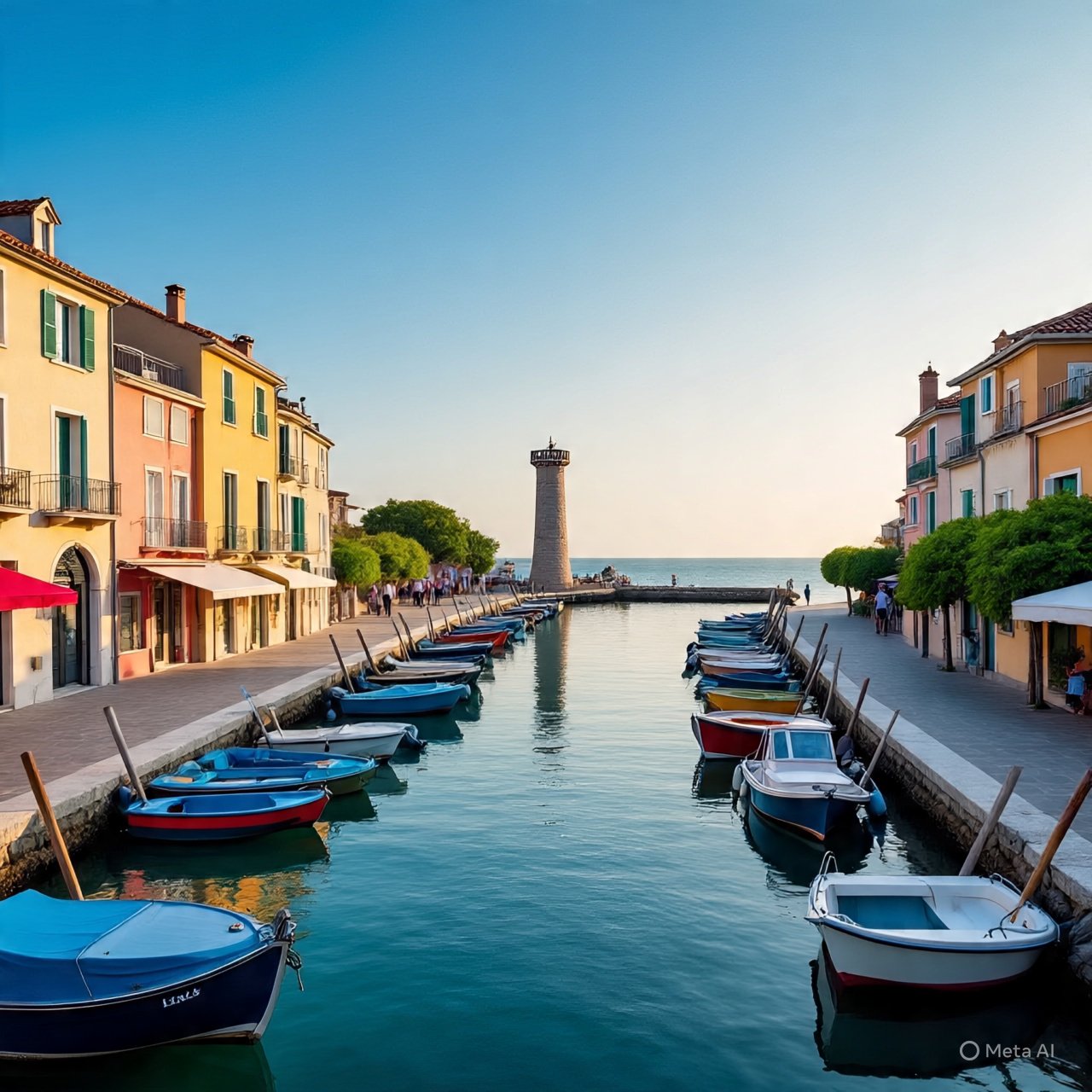
A City With Salt in Its Soul
On the southern coast of France, Sète sparkles with canals, fishing boats, and Mediterranean light. Often called the “Venice of Languedoc”, it’s a city that has kept its authentic character while many coastal towns turned into glossy resorts. Here, life still revolves around the port, the sea, and the traditions that have shaped it since the 17th century.
Born of the Sea
Founded in 1666 under King Louis XIV as the port for the Canal du Midi, Sète grew into a bustling fishing and trading center. Its identity is inseparable from the water . from maritime festivals to seafood markets. It’s also the birthplace of poet Paul Valéry, whose legacy adds a literary heartbeat to the city’s maritime soul.
What to See and Do in Sète
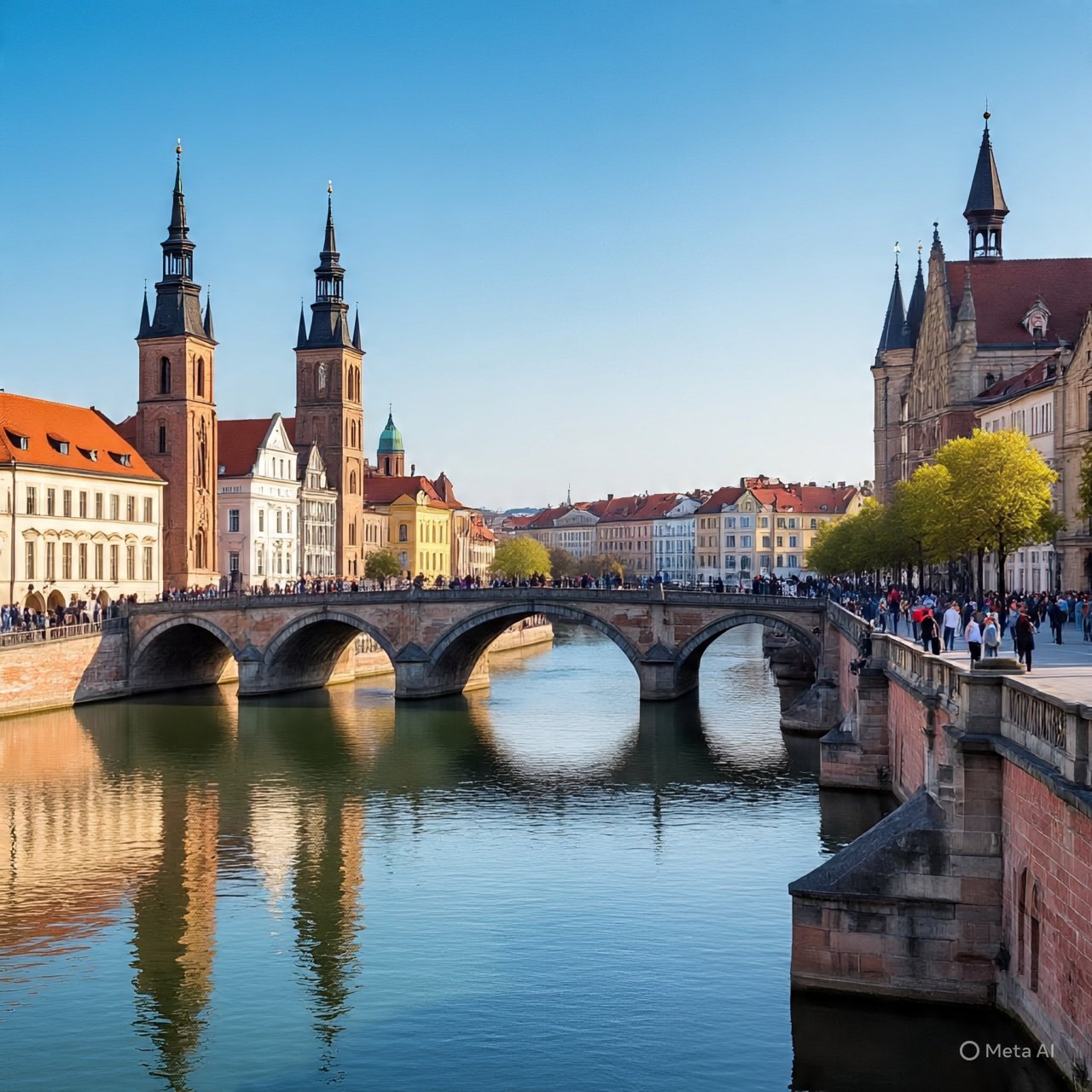
The Canals: The lifeblood of the city, lined with colorful houses, cafés, and boats. Perfect for strolling or taking a boat tour.
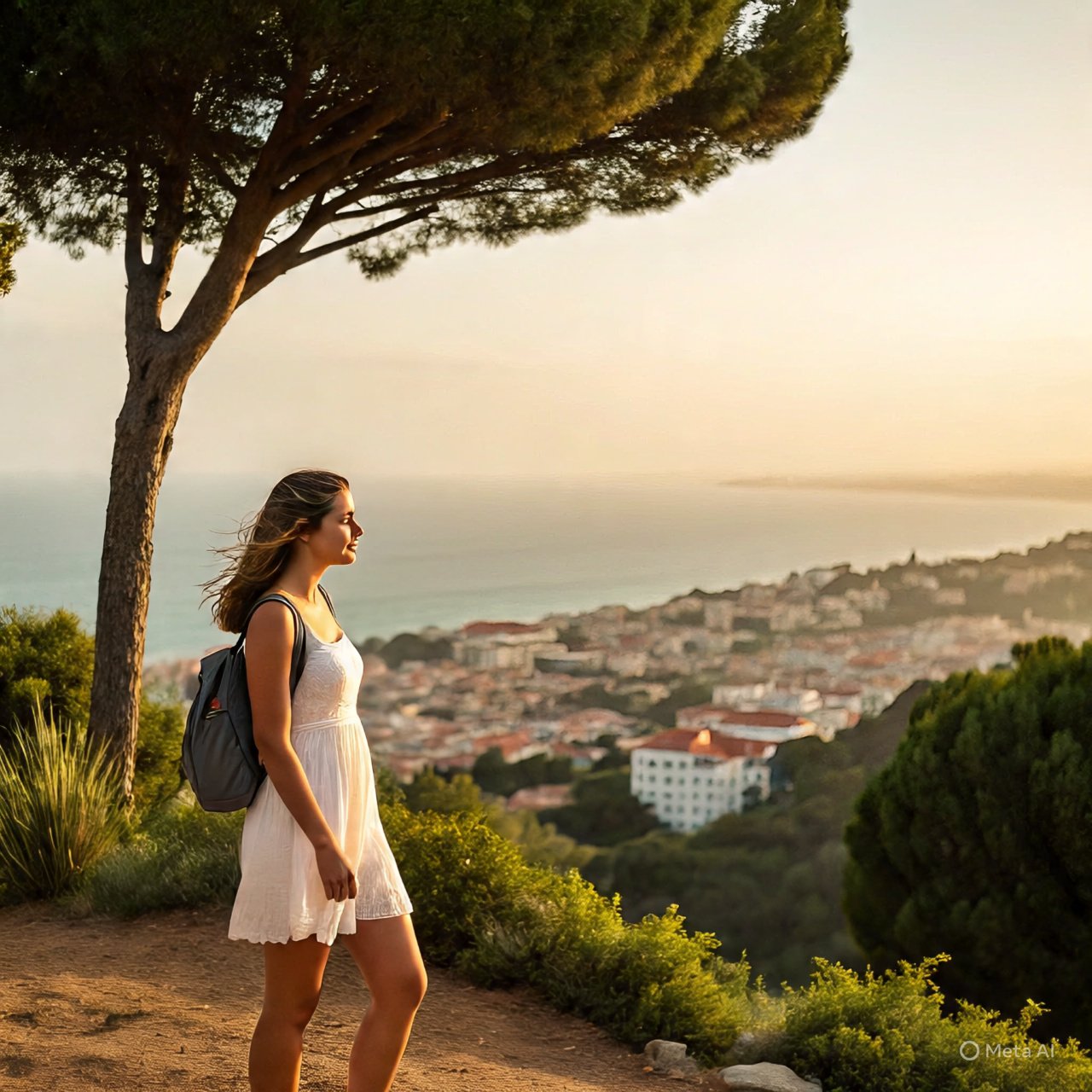
Mont Saint‑Clair: A hilltop viewpoint offering sweeping panoramas of the sea, lagoon, and vineyards.
The Port of Sète: Alive with fishermen unloading their catch each morning . a glimpse of everyday life.
Paul Valéry Museum: Celebrating the poet and showcasing regional art, perched above the sea.
Marine Cemetery: A peaceful resting place overlooking the Mediterranean, inspiring poets and writers for generations.
Sun, Sand, and Sea
Sète’s beaches stretch for kilometers, offering space and serenity away from the Riviera crowds:
Plage de la Corniche: Family‑friendly and close to town.
Plage du Lido: Long, sandy, and perfect for swimming.
Plage de la Fontaine: A quieter escape with scenic charm.
Flavors of Sète
Seafood defines the local cuisine, and Sète has its own specialties:
Tielle Sétoise: A spicy octopus pie found only here.
Oysters and Mussels: Fresh from the Étang de Thau lagoon.
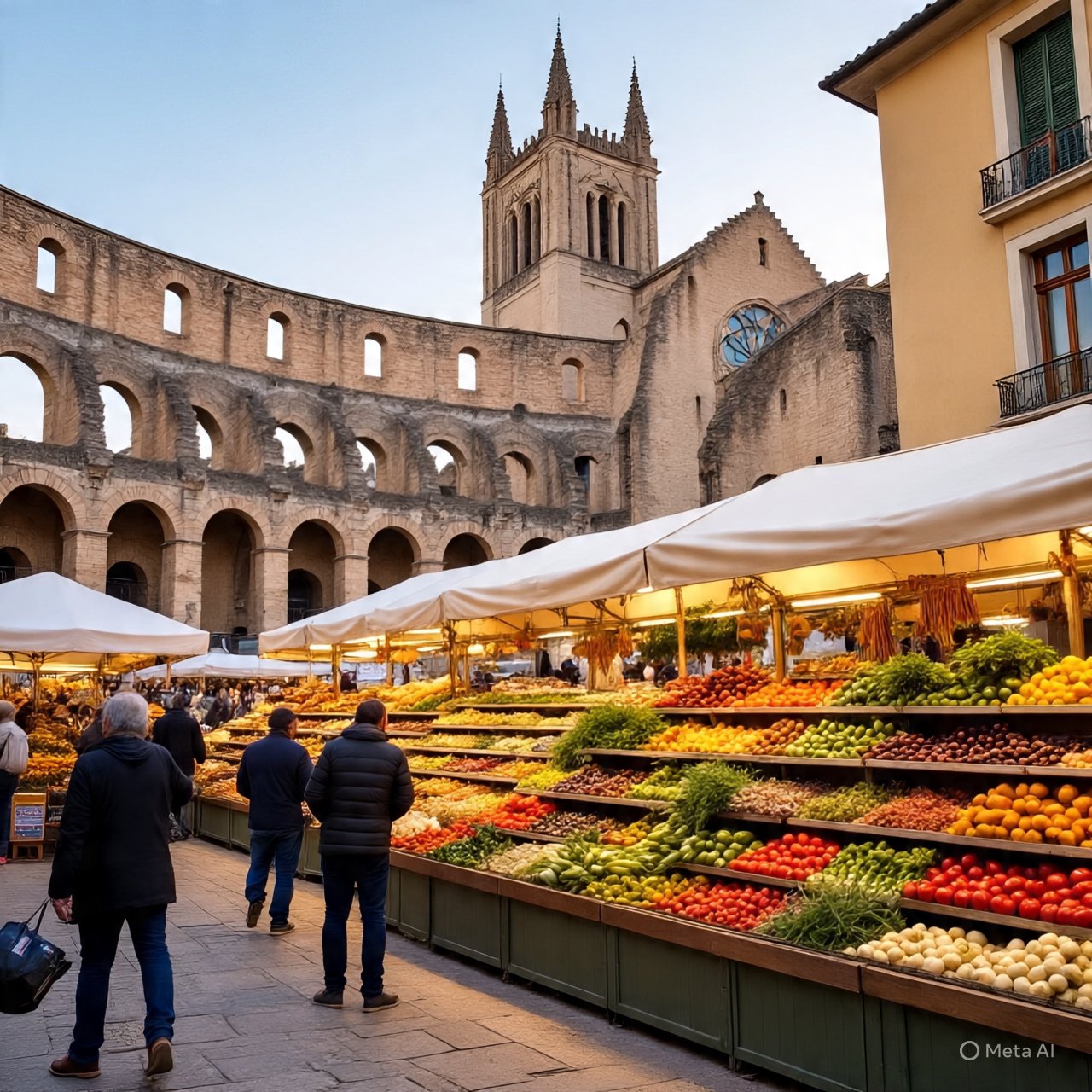
Grilled Fish Platters: Served with Mediterranean vegetables and olive oil. Markets and waterfront restaurants make dining here a true taste of the region.
Festivals and Traditions
Sète’s most famous tradition is water jousting (Joutes Nautiques), a summer spectacle on the canals where competitors battle from boats. Music festivals, poetry events, and cultural celebrations keep the city alive with energy throughout the year.
When to Go
May–June: Pleasant weather and fewer crowds.
July–August: Festivals, beaches, and a lively atmosphere.
September: Warm sea and a more relaxed pace. Spring and early autumn are perfect for travelers seeking authenticity and calm.
Getting There
By Train: Direct routes from Montpellier, Marseille, and Paris.
By Car: Easy access via major highways.
By Air: Montpellier Méditerranée Airport is just 40 minutes away.
Travel Tips
Stay near the canals for the most atmospheric experience.
Visit Mont Saint‑Clair early for clear views.
Try seafood at family‑run restaurants.
Explore local markets for authentic flavors.
Pair your trip with visits to nearby lagoons and vineyards.
Why Sète Captivates
Sète is not a polished resort . it’s a living, breathing coastal city with character. Its canals, beaches, seafood, and festivals create a blend of tradition and vibrancy that feels deeply authentic. For travelers who want to experience the Mediterranean with soul and substance, Sète is one of France’s hidden treasures.
💬 Comments
No comments yet.