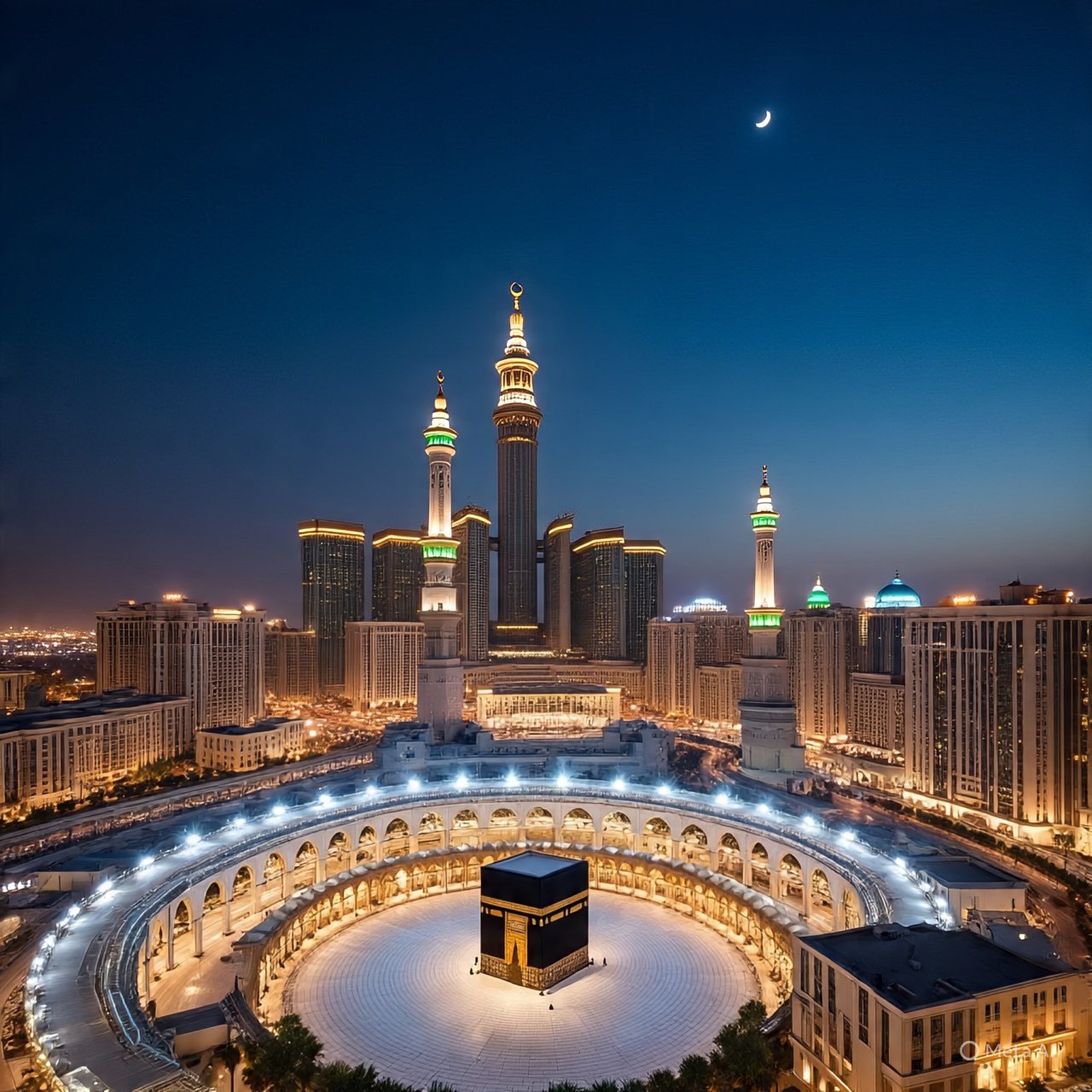
Makkah is not just a city on the map of Saudi Arabia. For Muslims, it is a place of deep emotions, faith, and lifelong dreams. Every year, millions of people travel from different countries, cultures, and languages to reach this sacred land. Some come for Hajj, others for Umrah, but everyone comes with the same feeling in their heart peace and devotion.
The city has a unique spiritual atmosphere that cannot be explained fully in words. From the moment a person enters Makkah, there is a sense of calm and humility. The sound of prayers, the sight of pilgrims, and the presence of Masjid al-Haram make this city truly special.
Geographic Location and Climate of Makkah
Makkah is located in the western part of Saudi Arabia, in the Hijaz region. It is surrounded by rocky mountains and desert landscapes, giving it a strong natural character. The city is about 70 kilometers away from Jeddah, which is the main gateway for international pilgrims through King Abdulaziz International Airport.
The climate of Makkah is generally hot and dry. Summers can be very warm, with temperatures often rising above 40°C. Winters are mild and pleasant, making it easier for pilgrims to perform religious activities. Despite the heat, the city remains active throughout the year because of continuous religious visits.
Religious Importance of Makkah in Islam
Makkah holds the highest religious status in Islam. It is the birthplace of Prophet Muhammad (PBUH) and the location of the Kaaba, which is the direction of prayer (Qibla) for Muslims worldwide. No matter where a Muslim lives, they face the Kaaba five times a day during prayer.
Performing Hajj in Makkah is one of the five pillars of Islam. Every Muslim who is physically and financially able is required to perform Hajj at least once in their lifetime. This makes Makkah a lifelong dream for many believers.
Masjid al-Haram: The Largest Mosque in the World
Masjid al-Haram is the heart of Makkah and the most important mosque in Islam. It surrounds the Kaaba and can accommodate millions of worshippers at one time. The mosque has gone through many expansions over the years to manage the increasing number of pilgrims.
The mosque is open 24 hours a day and offers facilities such as prayer halls, Zamzam water stations, air-conditioned areas, and accessibility services for elderly and disabled pilgrims. The sight of Masjid al-Haram at night, with its bright lights and peaceful atmosphere, leaves a deep impact on every visitor.
The Kaaba: A Symbol of Unity
The Kaaba is a simple cube-shaped structure located in the center of Masjid al-Haram. Although it looks simple, its importance is beyond measure. Muslims perform Tawaf by walking around the Kaaba seven times as an act of worship.
The Kaaba represents unity among Muslims. People from different races, countries, and backgrounds stand side by side, dressed in simple clothing, worshipping one God. This powerful scene reflects equality and brotherhood in Islam.
Zamzam Water: A Sacred Blessing
Zamzam water is another important feature of Makkah. It comes from the Zamzam well, which has been providing water for thousands of years. According to Islamic history, this well appeared as a miracle for Hajar (AS) and her son Ismail (AS).
Pilgrims drink Zamzam water with faith and hope. Many believe it brings healing and blessings. Today, Zamzam water is carefully managed and distributed inside Masjid al-Haram and also sent to other parts of the world.
History of Makkah Through the Ages
Makkah has a long and rich history that goes back thousands of years. Before Islam, it was already an important trade center due to its location on caravan routes. After the birth of Islam, Makkah became the spiritual center of the Muslim world.
Over time, different Islamic rulers contributed to the development of the city. Roads, water systems, mosques, and shelters were built to serve pilgrims. Despite modernization, Makkah has preserved its religious identity and traditions.
Culture and Daily Life in Makkah
Life in Makkah revolves around religious activities. The city remains active day and night because pilgrims perform prayers at all hours. Local residents are used to welcoming people from different cultures and languages.
Traditional Saudi values such as hospitality, respect, and modesty are deeply rooted in Makkah’s culture. Shops, hotels, and restaurants are designed to serve pilgrims efficiently while respecting religious norms.
Modern Development and Infrastructure
In recent years, Saudi Arabia has invested heavily in improving Makkah’s infrastructure. High-rise hotels, improved transportation systems, and modern facilities have been developed to handle large crowds during Hajj and Umrah.
Projects like the expansion of Masjid al-Haram and better road networks have made travel easier and safer for pilgrims. Despite modern changes, authorities work carefully to maintain the sacred nature of the city.
💬 Comments
No comments yet.