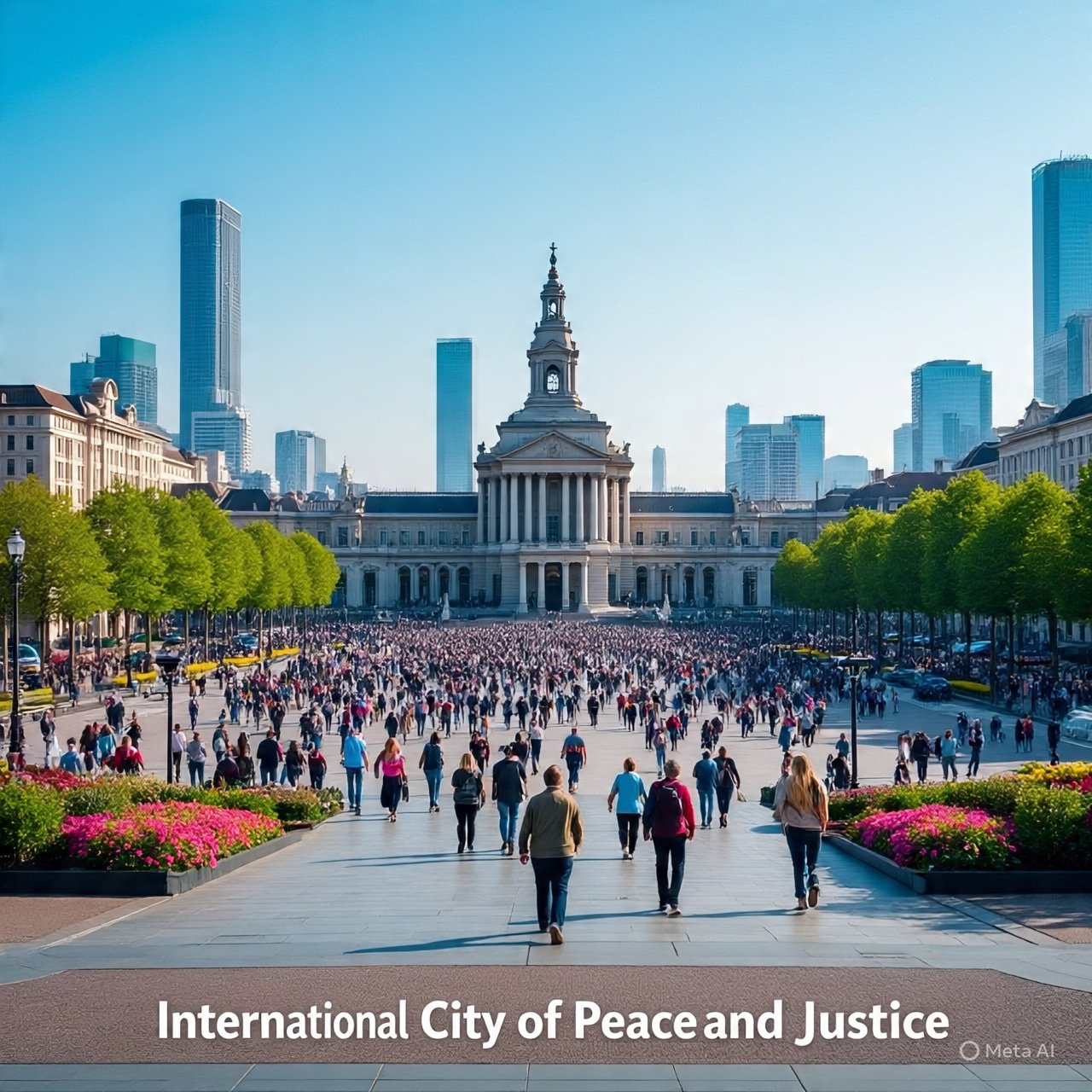
The Hague is unlike any other city in the Netherlands. While Amsterdam is the capital The Hague serves as the seat of government and home to the royal family. It is also a global center of diplomacy hosting international courts and organizations. Located on the North Sea coast The Hague combines political importance with cultural richness and seaside charm.
Visitors discover a city where historic buildings stand beside modern offices where art galleries thrive and where sandy beaches stretch along the coast. The Hague is a place of contrasts and connections. It is both Dutch and international both historic and modern both serious and playful.
Historical Foundations
The Hague’s origins date back to the thirteenth century when Count Floris IV built a hunting lodge here. Over time the lodge grew into the Binnenhof the political heart of the Netherlands. The city became the residence of counts and later the seat of government.
Unlike other Dutch cities The Hague never received official city rights yet it grew into one of the most important places in the country. In the seventeenth century during the Dutch Golden Age The Hague was a center of politics diplomacy and culture.
The nineteenth and twentieth centuries brought modernization. The Hague became home to embassies international organizations and royal palaces. During the Second World War it faced occupation and destruction yet it rebuilt and continued its role as a political and cultural hub.
Architectural Marvels
The Binnenhof is the most iconic landmark of The Hague. It houses the Dutch parliament and reflects centuries of political history. The Ridderzaal or Hall of Knights hosts the annual opening of parliament.
The Peace Palace built in the early twentieth century symbolizes international justice. It houses the International Court of Justice and the Permanent Court of Arbitration. Its architecture blends Gothic and Renaissance styles with symbolic decorations.
Other landmarks include the Mauritshuis museum with masterpieces by Vermeer and Rembrandt the modern skyline of office towers and the seaside resorts of Scheveningen. Palaces such as Noordeinde and Huis ten Bosch reflect royal heritage.
Cultural Heritage
The Hague is a city of art and culture. The Mauritshuis displays Dutch Golden Age paintings. The Gemeentemuseum now called Kunstmuseum Den Haag houses modern art including works by Mondrian.
The city hosts festivals celebrating music film and literature. The Holland Dance Festival and the International Fireworks Festival attract audiences from around the world.
The Hague’s theaters and concert halls offer performances ranging from classical music to contemporary drama. Street art and modern galleries add to the cultural landscape.
Modern The Hague
Today The Hague is a thriving metropolis with a diverse population. It is home to embassies international organizations and businesses. The city embraces sustainability with green initiatives and modern infrastructure.
Public spaces are filled with parks sculptures and seaside promenades. The Hague’s multicultural character enriches its food music and traditions.
Nightlife and dining reflect diversity with restaurants offering cuisines from around the world. The city balances its serious role in politics with a lively cultural and social life.
Cuisine and Traditions
Food in The Hague reflects both Dutch traditions and international influences. Seafood from the North Sea is popular with dishes such as herring and mussels. Indonesian cuisine is also significant due to historical connections.
Markets and restaurants offer fresh produce and global flavors. Festivals celebrate traditions with parades music and food. The Hague’s multicultural spirit makes its cuisine unique.
Day Trips and Surroundings
The Hague’s location allows easy access to nearby attractions. Delft offers historic charm and blue pottery. Leiden provides academic heritage and museums. Rotterdam with its modern skyline is a short journey away.
Scheveningen Beach offers seaside relaxation with resorts piers and entertainment. Nature lovers can explore dunes parks and countryside.
Travel Guide
The best time to visit The Hague is spring or summer. Festivals and outdoor events fill the city with energy. Autumn and winter provide quieter experiences with cozy cafés and museums.
Transportation is easy with trams buses and trains. Cycling is popular with dedicated paths.
Accommodation ranges from budget hostels to luxury hotels. Travelers can choose based on preferences. The Hague offers options for everyone.
Conclusion
The Hague is more than a city. It is a place where politics culture and seaside charm meet. From the Binnenhof to the Peace Palace from museums to beaches The Hague offers experiences that inspire and educate.
The International City of Peace and Justice continues to attract visitors with its unique blend of past and future. The Hague is not only a destination but also a symbol of cooperation creativity and resilience.

💬 Comments
No comments yet.