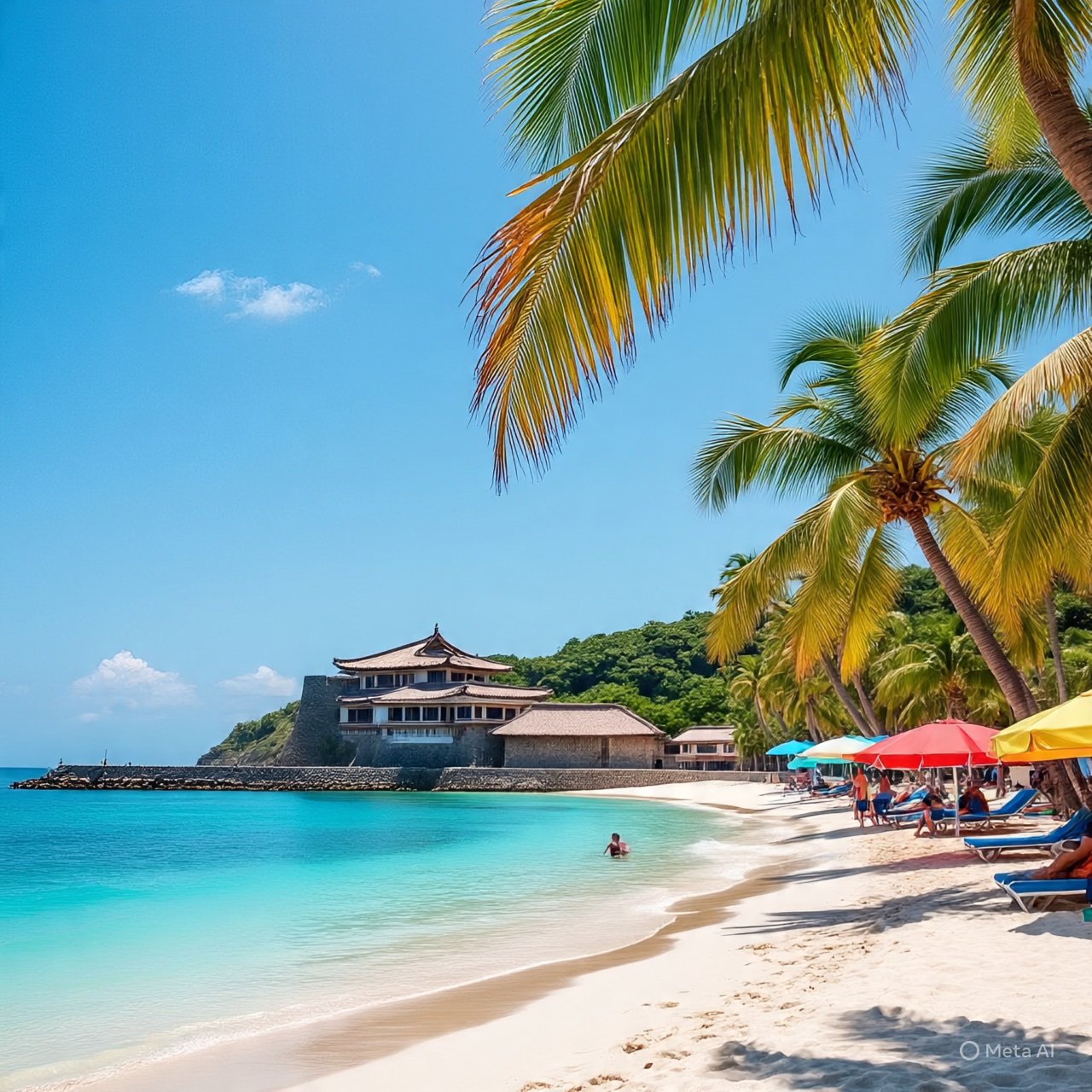
Okinawa: Japan’s Tropical Paradise of Heritage and Harmony
Introduction
Okinawa is a region that feels different from the rest of Japan. It is a chain of islands with turquoise seas and white beaches. The culture blends Japanese and Ryukyuan traditions. Life here moves at a slower pace. Okinawa is proud of its heritage and natural beauty.
History and Heritage
Okinawa was once the Ryukyu Kingdom. It traded with China and Southeast Asia. Castles and villages reflect this past. Shuri Castle is the most famous landmark. World War II brought heavy battles yet Okinawa rebuilt with strength. Heritage here is about resilience and pride.
Iconic Landmarks
Shuri Castle stands as a symbol of Ryukyuan history. Okinawa Churaumi Aquarium shows marine life from the region. Cape Manzamo offers dramatic cliffs and ocean views. Peace Memorial Park honors those lost in war. Landmarks here connect history with nature.
Neighborhoods and Local Life
Okinawa’s towns and villages are welcoming. Naha the capital is lively with markets and shops. Small fishing villages show daily island life. Local streets are filled with crafts and food stalls. Each area has its own rhythm. Exploring them reveals the spirit of Okinawa.
Art and Culture
Culture in Okinawa is unique. Traditional music uses the sanshin instrument. Dance and festivals celebrate heritage. Karate was born here and is practiced worldwide. Crafts include pottery and textiles. Culture here is proud and distinct.
Food and Drink
Food in Okinawa reflects island life. Goya champuru is a stir fry with bitter melon. Okinawa soba is a local noodle dish. Seafood is fresh from nearby waters. Awamori rice liquor is a regional specialty. Eating here is simple and joyful.
Nightlife
Okinawa has relaxed nightlife. Naha offers bars and music venues. Beach resorts host evening events. Local festivals bring dance and song. Nights here are calm yet welcoming.
Nature and Green Spaces
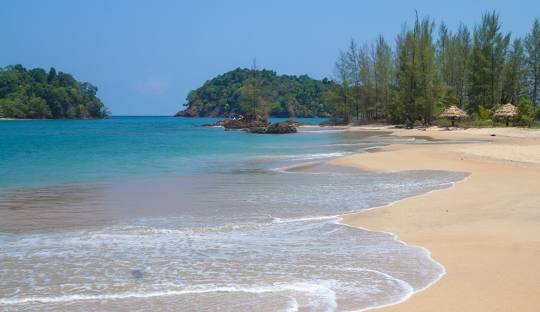
Nature defines Okinawa. Coral reefs invite diving and snorkeling. Beaches stretch across the islands. Forests and hills offer hiking. Wildlife thrives in the subtropical climate. Visitors find peace in the natural surroundings.
Seasonal Travel Tips
Okinawa changes with the seasons. Spring brings flowers and mild weather. Summer is perfect for beaches and water sports. Autumn is warm with fewer crowds. Winter is gentle compared to northern Japan. Each season offers unique experiences.
Hidden Gems
Okinawa hides treasures beyond the famous sites. Small islands offer quiet retreats. Local workshops sell handmade crafts. Trails lead to secret beaches. Fishing villages show authentic life. Exploring these gems adds depth to the journey.
Practical Travel Information
Okinawa is easy to reach by plane and ferry. Local buses connect towns and resorts. Accommodation ranges from hotels to guesthouses. English is spoken in tourist areas. Safety is good and locals are welcoming.
Conclusion
Okinawa is a region of wonder. It blends nature with tradition. Islands feel timeless. Villages feel welcoming. Food and culture reflect heritage. Visiting Okinawa is not just about sights. It is about feeling peace and connection. The islands leave a lasting memory of beauty and simplicity.



💬 Comments
No comments yet.