A City With Stories to Tell
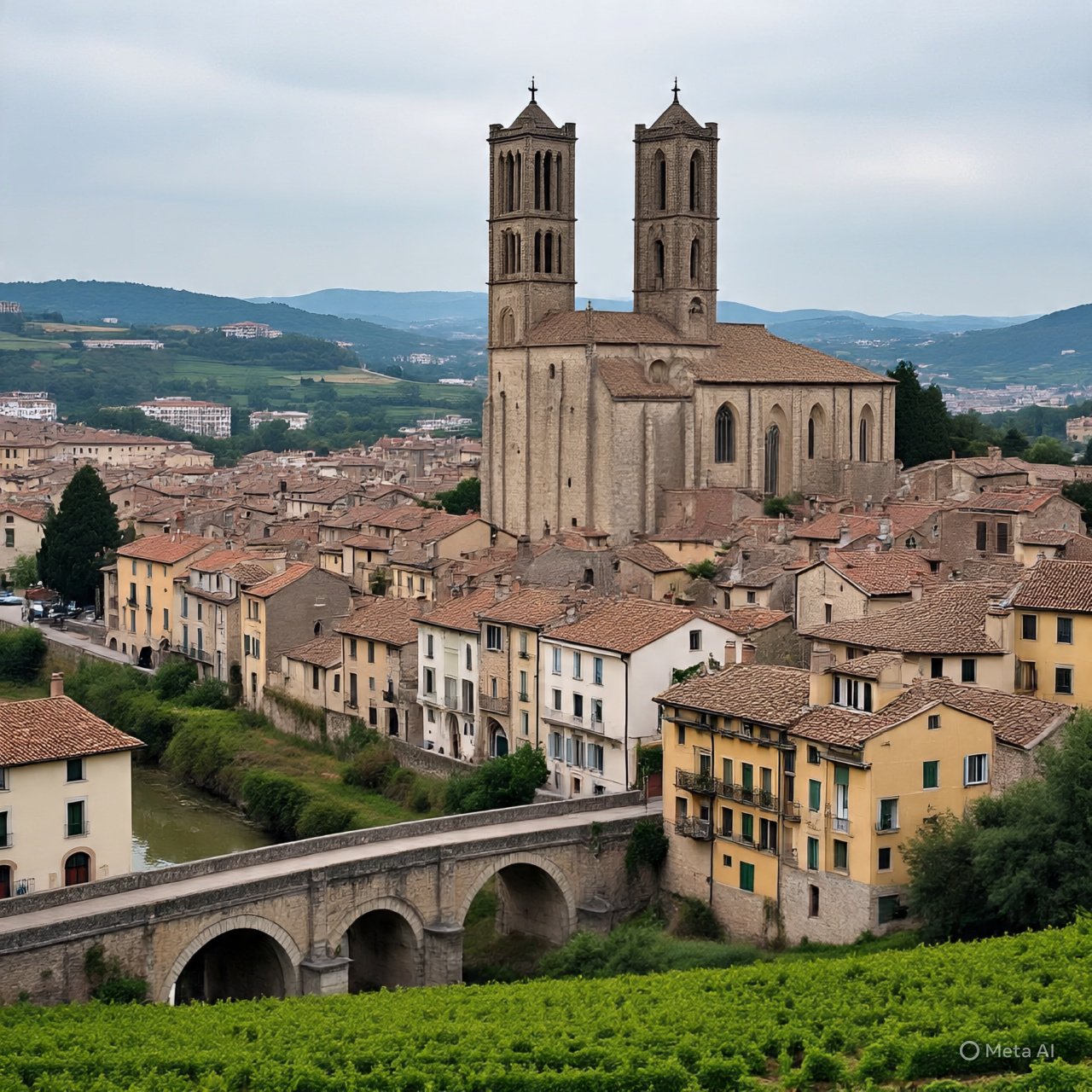
Narbonne is one of southern France’s oldest cities, founded in 118 BCE as Narbo Martius, the first Roman colony in Gaul. Its position near the Mediterranean and along the fertile Aude River made it a thriving hub of trade and culture. Today, Narbonne blends Roman ruins, medieval landmarks, and modern life, offering visitors the chance to walk through centuries of history.
Life by the River and Canal
Set on a flat plain crossed by the Aude River and the Canal de la Robine, Narbonne feels both practical and picturesque. The canal, lined with trees and bridges, connects to the famous Canal du Midi and adds a gentle rhythm to the city. With warm summers and mild winters, the Mediterranean climate supports vineyards, olive groves, and year‑round exploration.
Rome’s First Footprint in Gaul
Narbonne’s Roman past is everywhere. As the first colony in Gaul, it became a vital port linking inland regions to the Mediterranean. Roads, aqueducts, and public buildings shaped the city’s layout, while trade in wine, olive oil, and grain connected Narbonne to the wider empire.
From Empire to Gothic Splendor
After Rome’s decline, Narbonne rose again in the Middle Ages as a religious and commercial center. The Cathedral of Saint‑Just and Saint‑Pasteur, begun in 1272, and the Palais des Archevêques reflect its wealth and ambition. These Gothic landmarks still dominate the skyline, telling stories of faith and power.
Stones, Streets, and Daily Life
Cathedral of Saint‑Just: A soaring Gothic choir with an unfinished nave, full of history.
Palais des Archevêques: Towers, courtyards, and museums filled with Roman artifacts and medieval art.
Canal de la Robine: A peaceful waterway perfect for walking or cycling.
Markets and Streets: Cobblestones alive with Provençal flavors, from cheeses to seafood.
Wine and Flavors of the South
Narbonne sits at the heart of Languedoc wine country, producing reds, rosés, and whites. Vineyard tours and tastings reveal centuries of tradition. The cuisine blends Mediterranean freshness with French technique: seafood from the coast, olive‑based dishes like tapenade, local cheeses, and pastries. Culinary festivals celebrate these flavors, making Narbonne a delight for food lovers.
Beaches, Museums, and Beyond
Narbonne‑Plage: Sandy beaches and clear waters just minutes away.
Museums: Roman engineering at the Horreum, fine arts at the Musée d’Art et d’Histoire.
Day Trips: Carcassonne’s fortress, Montpellier’s culture, and the Pyrenees for hiking or skiing.
Narbonne Today
Modern Narbonne is lively yet rooted in history. Cafés, boutiques, and cultural centers thrive alongside Roman ruins and Gothic towers. Tourism, agriculture, and trade sustain the city, while its Mediterranean lifestyle ensures a balance of tradition and modern comfort.
Why Narbonne Stays With You
Narbonne is more than a stop on the map — it’s a city that carries the weight of centuries while still feeling fresh and vibrant. From Roman foundations to medieval grandeur and modern vitality, it offers travelers a journey through time, framed by canals, vineyards, and Mediterranean light.



💬 Comments
No comments yet.