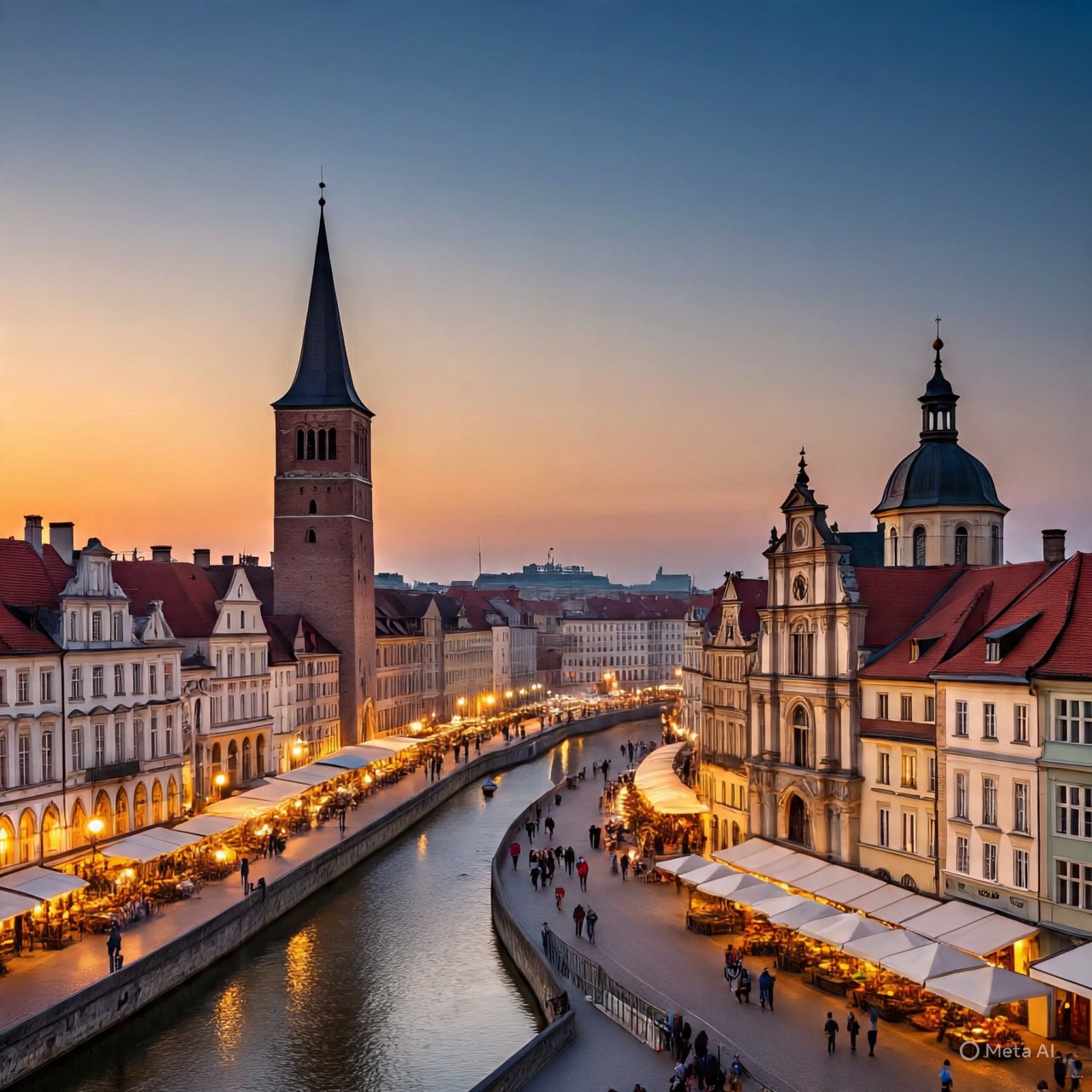
Unlike many European cities that reinvented themselves after wars and revolutions, Kraków has remained a living museum of Polish identity. Nestled along the Vistula River, this city has witnessed kings, scholars, and artists shaping its destiny. Today, Kraków is not only a cultural capital but also a vibrant hub where history and modern life coexist seamlessly. Its cobblestone streets echo with centuries of stories, while its bustling cafés and universities keep the city young and dynamic.
Kraków is often described as Poland’s “soul” and for good reason. It was the royal capital until the 16th century, the birthplace of legends like the Wawel Dragon, and the site of intellectual revolutions that shaped Europe. Visitors are drawn to its UNESCO-listed Old Town its Gothic churches, and its lively market square. Yet Kraków is more than monuments it is a city of resilience, where traditions survived partitions, wars and occupations.
Historical Foundations
Kraków’s origins trace back to the 7th century, when it emerged as a trading settlement along the Vistula River. The city’s legendary founder, King Krakus, is said to have defeated the fearsome Wawel Dragon, establishing Kraków as a place of courage and leadership. By the Middle Ages, Kraków had become Poland’s royal capital, a center of governance and culture.
The Jagiellonian dynasty brought prosperity and Renaissance brilliance, with scholars and artists flocking to the city. Even during the partitions of Poland, Kraków remained a beacon of national identity, nurturing independence movements and preserving cultural traditions. Its resilience through centuries of upheaval is one of its defining traits.
Architectural Marvels
Kraków’s skyline is dominated by Wawel Castle and Cathedral, the seat of Polish kings and a symbol of national pride. St. Mary’s Basilica, with its twin towers, is famous for the Hejnał trumpet call played every hour from its highest spire. The Cloth Hall, or Sukiennice, in the Main Market Square, reflects the city’s mercantile past and remains a vibrant hub of trade and art.
The city’s architecture blends Gothic, Renaissance, and Baroque styles, each era leaving its mark. Preservation efforts have ensured that Kraków’s Old Town remains one of Europe’s most intact medieval centers, earning UNESCO World Heritage status.
Cultural Heritage
Kraków is home to the Jagiellonian University, one of Europe’s oldest, where scholars like Copernicus once studied. The Jewish Quarter, Kazimierz, tells a story of flourishing culture, tragic destruction during World War II, and remarkable revival in recent decades.
Festivals bring the city to life: Wianki celebrates midsummer with music and floating wreaths on the river, while Christmas markets fill the squares with lights and traditions. Literature and art thrive here, with figures like Nobel laureate Czesław Miłosz shaping Kraków’s intellectual legacy.
Modern Kraków
Today, Kraków balances its historic charm with modern vibrancy. Students fill its universities, fueling a lively café and nightlife scene. Museums such as Schindler’s Factory and MOCAK explore both history and contemporary art.
Economically, Kraków has grown into a hub for startups and international business, while tourism continues to flourish. The city’s ability to embrace modernity without losing its heritage makes it unique among European destinations.
Cuisine and Traditions
Food is central to Kraków’s identity. Pierogi, obwarzanek (a ring-shaped bread), and Polish vodka are staples of local cuisine. Traditional folk dances and costumes are celebrated during festivals, while artisans keep alive crafts like woodcarving and embroidery.
Kraków’s culinary scene also embraces innovation, with modern chefs blending Polish flavors with international influences. Visitors can enjoy both rustic taverns and fine dining experiences.
Day Trips and Surroundings
Kraków’s location makes it ideal for exploring nearby treasures. The Wieliczka Salt Mine, with its underground chapels carved from salt, is a marvel of human ingenuity. The Auschwitz-Birkenau Memorial stands as a solemn reminder of history, drawing visitors from around the world.
For nature lovers, the Tatra Mountains and Zakopane offer breathtaking landscapes, hiking trails, and winter sports. These excursions enrich the Kraków experience, connecting history with natural beauty.
Travel Guide
The best times to visit Kraków are spring and autumn, when the weather is pleasant and the city hosts lively festivals. Transportation is convenient, with trams, buses, and easy connections to other Polish cities.
Travelers can choose itineraries based on their interests: a three-day trip for highlights, five days for deeper exploration, or a week to fully immerse in Kraków’s culture and surroundings. Whether on a budget or seeking luxury, Kraków offers diverse options for accommodation and experiences.
Conclusion
Kraków is more than a city it is a living chronicle of Poland’s journey. From medieval legends to modern innovation, it embodies resilience, creativity, and cultural pride. Whether you wander through its historic streets, savor its cuisine, or join its festivals, Kraków leaves you with a sense of timelessness.
It is Poland’s cultural soul, a bridge between past and future, and a destination that continues to inspire travelers worldwide.
💬 Comments
No comments yet.