iroshima: A City of Memory and Renewal
Introduction
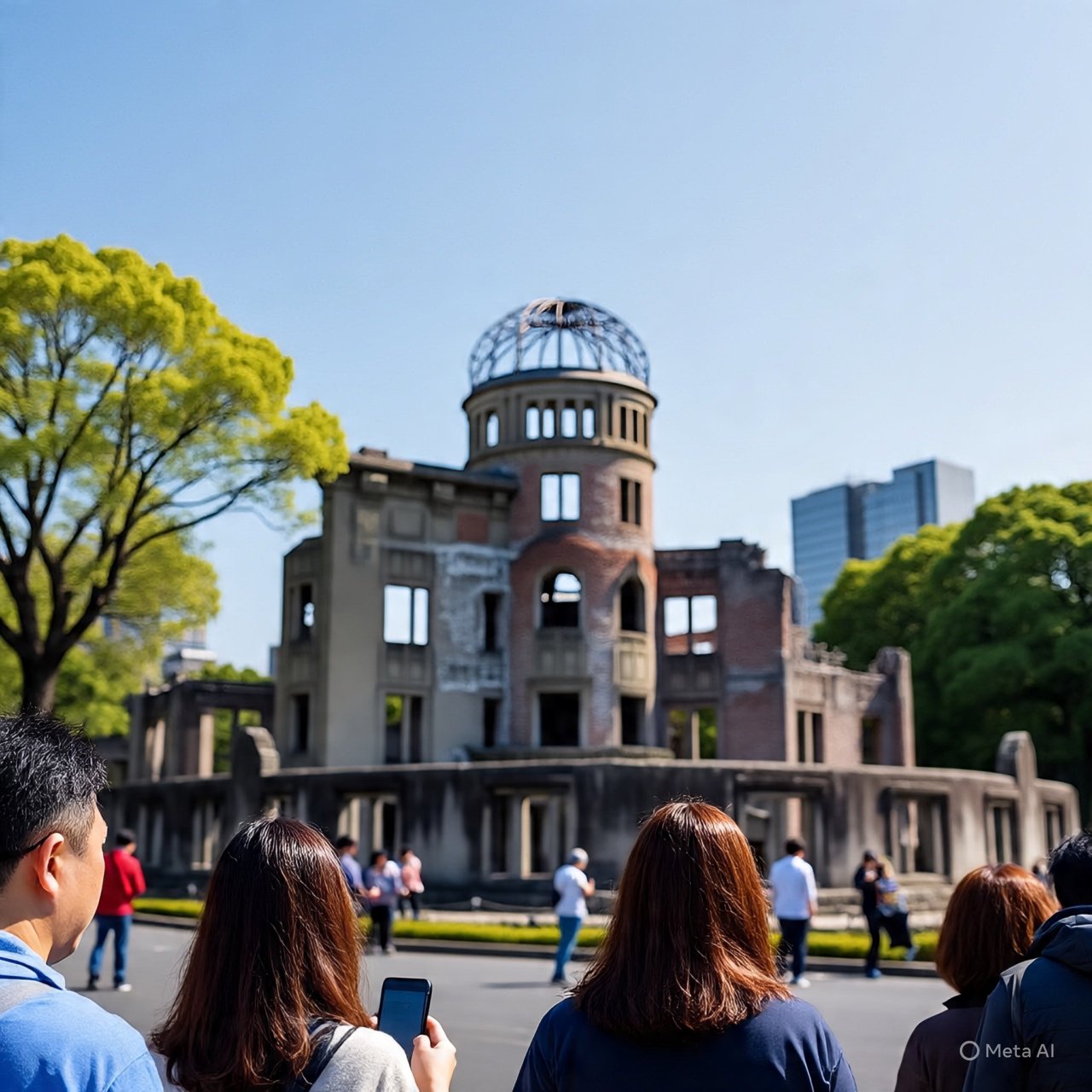
Hiroshima is a city that carries deep meaning. It is known worldwide for the atomic bombing in 1945. Yet today Hiroshima stands as a symbol of peace and resilience. Streets are lively with shops and cafés. Parks and museums invite reflection. Hiroshima is proud of its past yet focused on hope and progress.
History and Heritage
Hiroshima has a long past. It grew as a castle town in the sixteenth century. Hiroshima Castle still stands as a reminder of that era. The atomic bombing destroyed much of the city. Thousands lost their lives. Yet Hiroshima rebuilt with strength. Today heritage is visible in memorials and museums.
Iconic Landmarks
Peace Memorial Park is the most famous site. The Atomic Bomb Dome stands as a symbol of memory. The Peace Memorial Museum tells stories of tragedy and hope. Hiroshima Castle shows history before the war. Shukkeien Garden offers calm and beauty. Landmarks here connect past and present.
Neighborhoods and Local Life
Hiroshima is made of districts with unique character. The city center is lively with shops and restaurants. Hondori Street is full of energy. Motomachi has parks and museums. Each area has its own rhythm. Exploring them reveals the daily life of Hiroshima.
Art and Culture
Hiroshima is rich in culture. Museums display art and history. The Hiroshima Museum of Art shows works from Japan and Europe. Local theaters host drama and music. Festivals celebrate community and tradition. Culture here is vibrant and proud.
Food and Drink
Food in Hiroshima reflects local identity. Hiroshima style okonomiyaki is a layered savory pancake loved by all. Oysters are fresh from nearby waters. Local sake is popular. Markets offer fresh produce. Eating in Hiroshima is joyful and communal.
Nightlife
Hiroshima has lively nightlife. Bars and clubs welcome locals and visitors. Music venues add energy. Hondori Street is full of entertainment. Nightlife here is bold and welcoming.
Nature and Green Spaces
Hiroshima balances city life with nature. Shukkeien Garden is peaceful with ponds and bridges. The River Ota flows through the city. Miyajima Island nearby offers forests and shrines. Nature is close and easy to enjoy.
Seasonal Travel Tips
Hiroshima changes with the seasons. Spring brings cherry blossoms in parks. Summer is lively with festivals and fireworks. Autumn colors the city in warm tones. Winter offers illuminations and quiet shrines. Each season has its charm.
Hidden Gems
Hiroshima hides treasures beyond the famous sites. Small shrines stand in quiet lanes. Local shops sell handmade crafts. Secret gardens offer peace. Exploring these gems adds depth to the journey.
Practical Travel Information
Hiroshima is easy to reach by train and plane. Public transport connects the city well. Accommodation ranges from hotels to guesthouses. English is spoken in tourist areas. Safety is good and locals are welcoming.
Conclusion
Hiroshima is a city of spirit. It honors its past yet embraces the present. Landmarks inspire reflection. Neighborhoods show resilience. Food and nightlife bring joy. Nature offers calm. Visiting Hiroshima is not just about seeing places. It is about feeling the rhythm of a city that celebrates peace and renewal.
💬 Comments
No comments yet.